

powerplay rules cricket have transformed modern cricket into a thrilling, fast-paced spectacle where teams balance aggression and caution under strict fielding restrictions. Whether you’re a casual fan, aspiring cricketer, or fantasy league enthusiast, understanding how Powerplay works can change the way you watch and analyze the game.
In a packed stadium or during a tense World Cup match, the Powerplay overs often decide the momentum. A flying start can set up a massive total, while early wickets can tilt the match dramatically. Let’s dive deep into how Powerplay rules evolved, how they differ across formats, and how teams strategically exploit them.
What Are Powerplay Rules in Cricket?
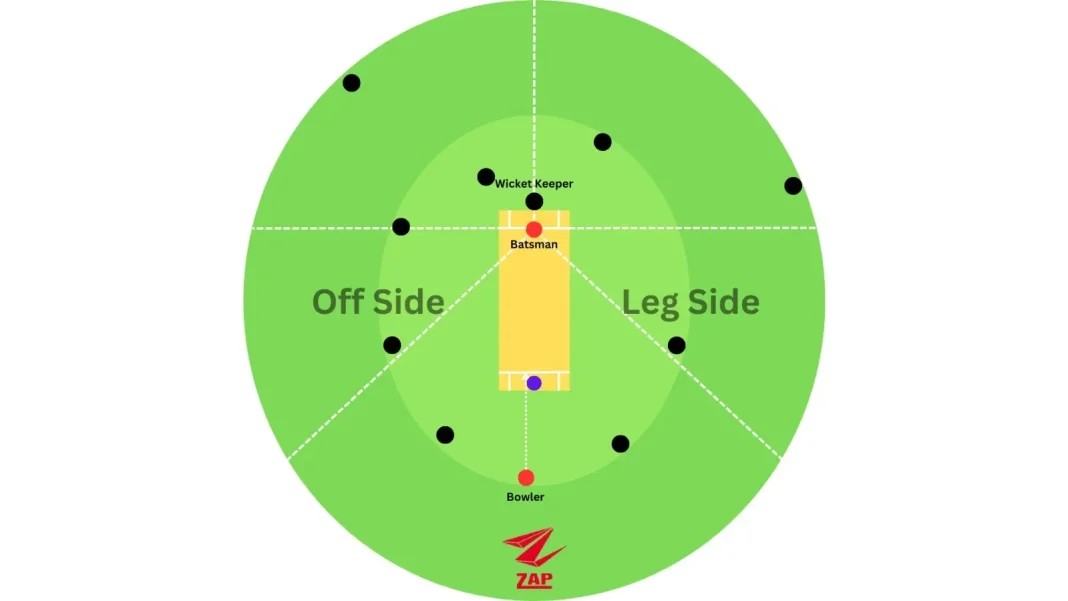
Powerplay is a phase in limited-overs cricket where fielding restrictions are enforced, allowing fewer fielders outside the 30-yard circle. These restrictions encourage aggressive batting and help generate excitement, runs, and viewer engagement.
Before Powerplay rules were introduced, limited-overs cricket was more conservative. Teams often played defensively early on. The introduction of structured Powerplay overs forced teams to rethink their strategies, rewarding bold batting and intelligent bowling.
Today, powerplay rules cricket are a fundamental part of One Day Internationals (ODIs), T20 Internationals, and domestic leagues like the IPL, BBL, and PSL.
History and Evolution of Powerplay Rules
The concept of fielding restrictions existed before Powerplay was formally introduced. In the early days of ODI cricket, there were limitations on the number of fielders outside the circle, but they were inconsistent.
In the 1990s and early 2000s, the ICC formalized Powerplay overs to standardize the game globally. The introduction of mandatory and optional Powerplays gave captains tactical control over field placements.
Over time, optional Powerplays were removed to simplify the format and make the game more viewer-friendly. Today, Powerplay rules are streamlined and easy to understand for fans and players alike.
Powerplay Rules Cricket in One Day Internationals (ODIs)
In ODIs, the innings is divided into three Powerplay phases. Each phase has specific fielding restrictions designed to shape the rhythm of the innings.
Powerplay 1 (Overs 1–10)
This is the most aggressive phase. Only two fielders are allowed outside the 30-yard circle. Batsmen often target boundaries, while bowlers aim for swing and seam movement to take early wickets.
Many iconic innings have been built during this phase. Think of Sachin Tendulkar’s explosive starts or Rohit Sharma’s elegant boundary-hitting during the first ten overs.
Powerplay 2 (Overs 11–40)
During this middle phase, up to four fielders are allowed outside the circle. This period is about building partnerships, rotating strike, and preparing for a late surge.
Teams often stabilize after early wickets and look for gaps rather than risky shots.
Powerplay 3 (Overs 41–50)
In the final ten overs, up to five fielders are allowed outside the circle. This phase is about finishing strong with big hits, innovative shots, and strategic running between wickets.
The death overs have produced unforgettable moments, from MS Dhoni’s iconic World Cup-winning six to modern power hitters like Glenn Maxwell and Jos Buttler dominating bowlers.
Powerplay Rules Cricket in T20 Matches
T20 cricket is where Powerplay truly shines. The shorter format magnifies the impact of the first six overs.
Powerplay Overs (Overs 1–6)
In T20s, the first six overs are the Powerplay, with only two fielders allowed outside the circle. This is the most aggressive phase of the entire match.
Openers often play fearless cricket, aiming to maximize runs while the field is restricted. Bowlers, on the other hand, rely on pace variations, swing, and clever angles to contain runs and take wickets.
A strong Powerplay can set up a match-winning total, while a weak one can leave a team chasing the game
Why Powerplay Rules Matter So Much
Powerplay overs influence the psychology of the game. Batsmen feel encouraged to attack, bowlers feel pressure to defend, and captains must make quick decisions.
The balance between risk and reward is most visible during this phase. A successful Powerplay can demoralize the opposition, while early wickets can energize the fielding side.
From a viewer’s perspective, Powerplay overs are often the most entertaining part of the match, filled with boundaries, swing bowling, and dramatic moments.
powerplay rules cricket and Modern Batting Strategies
Modern batsmen tailor their approach specifically for Powerplay overs. Instead of waiting for loose balls, they use premeditated shots, ramp shots, and innovative strokes to exploit fielding restrictions.
Data analytics has also changed how teams approach Powerplay. Coaches analyze bowler matchups, pitch conditions, and historical data to optimize scoring patterns.
For example, left-right batting combinations are often used to disrupt bowlers’ rhythm during the Powerplay.
powerplay rules cricket and Bowling Tactics
Bowlers have also evolved to counter aggressive Powerplay batting. Swing bowlers aim for early wickets, while spinners are sometimes introduced to exploit batsmen looking for big shots.
Variations like slower balls, cutters, and wide yorkers are used to control scoring. Captains place fielders strategically inside the circle to create catching opportunities.
A disciplined bowling Powerplay can change the course of a match, especially in high-pressure tournaments.
Real-Life Example: Powerplay Turning Point in a Match
Imagine a high-stakes T20 final. The chasing team needs 180 runs. During the Powerplay, the openers score 65 runs without losing a wicket. The crowd roars, and the momentum shifts dramatically.
The bowling side tries to recover, but the strong Powerplay gives the chasing team confidence. They control the match and win with overs to spare.
This is the impact of Powerplay rules in real life. Momentum, confidence, and strategy all converge in these crucial overs.
Powerplay Rules in Domestic and Franchise Leagues
Domestic leagues like the Indian Premier League, Big Bash League, and Caribbean Premier League follow similar Powerplay rules with minor variations.
In the IPL, Powerplay overs often decide auction strategies. Teams look for explosive openers who can dominate the first six overs and bowlers who can contain runs during this phase.
Players like Virat Kohli, Chris Gayle, David Warner, and Andre Russell have built their reputations on Powerplay dominance.
How Powerplay Affects Team Selection
Teams select players based on Powerplay performance. Explosive openers, swing bowlers, and agile fielders are highly valued.
All-rounders who can bat aggressively and bowl economically during Powerplay overs are especially prized in modern cricket.
Captains also consider matchups, such as left-handed batsmen against right-arm bowlers, to maximize Powerplay effectiveness.
Powerplay Rules and Pitch Conditions
Pitch conditions significantly influence Powerplay strategies. On green pitches, swing bowlers are dangerous in the first few overs. On flat pitches, batsmen dominate.
In subcontinental conditions, spinners sometimes bowl during the Powerplay to exploit aggressive batting. In contrast, fast and bouncy pitches favor pace bowlers early on.
Understanding pitch behavior helps teams adapt their Powerplay approach.
Powerplay Rules and Fan Engagement
Powerplay overs are designed to entertain fans. Broadcasters highlight Powerplay statistics, run rates, and boundary counts to keep viewers engaged.
Fantasy cricket players also focus heavily on Powerplay performance, as early runs and wickets yield high points.
Social media often explodes with clips of spectacular Powerplay shots, catches, and wickets, making it a viral moment in modern cricket culture.
Psychological Impact of Powerplay Overs
Powerplay overs can influence player confidence. A batsman who dominates early overs often plays with freedom later. A bowler who takes a wicket in the first over gains confidence and rhythm.
Teams that consistently perform well in Powerplay phases often dominate tournaments. Momentum gained early can carry through the entire match.
Powerplay Rules and Cricket Analytics
Data analytics plays a huge role in modern Powerplay strategies. Teams analyze scoring patterns, boundary percentages, and wicket probabilities during Powerplay overs.
Coaches use predictive models to decide which bowler to use and which batsman should face specific bowlers. This data-driven approach has transformed how teams approach Powerplay cricket.
Common Myths About Powerplay Rules
Many fans think Powerplay overs are only about hitting boundaries. In reality, smart singles, strike rotation, and partnership building are equally important.
Another myth is that bowlers are helpless during Powerplay. Skilled bowlers can exploit batsmen’s aggression and take crucial wickets.
Understanding these nuances helps fans appreciate the tactical depth of Powerplay cricket.
Powerplay Rules in Women’s Cricket
Women’s cricket also follows Powerplay rules, and the impact is equally exciting. Women’s T20 leagues and international matches showcase aggressive batting during Powerplay overs.
Players like Smriti Mandhana, Alyssa Healy, and Meg Lanning have produced explosive Powerplay innings, proving that Powerplay rules enhance entertainment across all formats.
Powerplay Rules and Youth Cricket Development
Powerplay rules influence how young cricketers are trained. Coaches encourage young players to play fearless cricket during restricted overs.
Junior tournaments often include simplified Powerplay rules to teach players strategic thinking and adaptability.
This early exposure helps young players transition smoothly into professional cricket.
Future of Powerplay Rules in Cricket
Cricket continues to evolve, and Powerplay rules may change in the future. Some experts suggest introducing additional Powerplay phases or modifying fielding restrictions to balance bat and ball.
Technology, fan preferences, and commercial interests will shape how Powerplay rules evolve. One thing is certain: Powerplay will remain a central feature of limited-overs cricket.
Why Understanding Powerplay Rules Makes You a Smarter Fan
Knowing how Powerplay works allows you to predict match outcomes, understand captaincy decisions, and appreciate player performances more deeply.
Next time you watch a match, pay attention to field placements, bowler choices, and batting aggression during the Powerplay. You’ll see the game in a whole new way.
powerplay rules cricket are more than just a set of regulations. They are the heartbeat of modern limited-overs cricket, shaping strategies, thrilling fans, and creating unforgettable moments on the field.
Read also:-
australian men’s cricket team vs south africa national cricket team
new zealand national cricket team vs england cricket team match scorecard
south africa national cricket team vs pakistan national cricket team
south africa national cricket team vs india national cricket team stats