
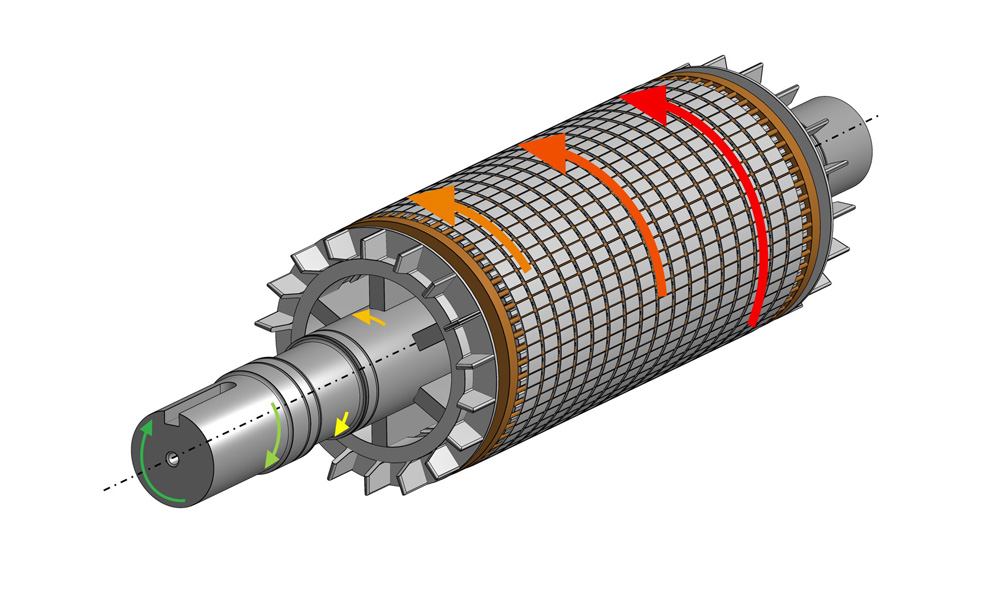

Motor vibration analysis plays a crucial role in maintaining the health and efficiency of industrial machinery. If you’ve ever been inside a factory, you might have noticed the constant hum and slight vibrations coming from machines. While this is normal to some extent, unusual vibration patterns can signal underlying problems.
Imagine a production line suddenly coming to a halt because a motor failed unexpectedly. The downtime, repair costs, and lost productivity can be significant. This is exactly where vibration analysis steps in as a preventive tool, helping engineers detect issues long before they become serious.
Today, industries rely heavily on this technique to ensure smooth operations. It’s not just about fixing problems anymore; it’s about predicting and preventing them.
Table of Contents
ToggleUnderstanding the basics of motor vibration analysis
At its core, vibration analysis involves measuring the oscillations of a motor and interpreting the data to identify potential faults. Every machine vibrates when it operates, but the key lies in understanding what is normal and what is not.
Different components inside a motor, such as bearings, shafts, and rotors, produce unique vibration signatures. By analyzing these patterns, technicians can pinpoint the exact source of a problem.
For example, a slight increase in vibration amplitude might indicate misalignment, while a specific frequency pattern could suggest bearing wear. These insights allow maintenance teams to take timely action.
This is why Motor vibration analysis has become an essential part of modern industrial maintenance strategies.
Why vibration monitoring matters in industries
In many industries, motors are the heart of operations. Whether it’s manufacturing, power generation, or water treatment, motors drive critical processes.
Unexpected failures can lead to costly disruptions. Vibration monitoring helps reduce these risks by providing early warnings of potential issues.
It also improves safety. Faulty motors can pose hazards to workers, especially in high-risk environments. Detecting problems early ensures that corrective measures can be taken before accidents occur.
Another advantage is cost efficiency. Preventive maintenance is always more affordable than emergency repairs. By identifying issues early, companies can avoid expensive breakdowns and extend the lifespan of their equipment.
Common causes of motor vibrations
Understanding what causes vibrations is key to effective analysis. Motors can experience vibrations due to various reasons, and each cause has its own signature pattern.
Imbalance is one of the most common issues. When the rotor is not evenly balanced, it creates uneven forces that result in vibrations.
Misalignment between the motor and connected equipment is another frequent cause. Even a slight deviation can lead to significant vibration over time.
Bearing defects are also a major contributor. Worn or damaged bearings produce distinct vibration patterns that can be detected through analysis.
Electrical issues, such as uneven power supply or faulty windings, can also cause vibrations. These problems are often more complex but can still be identified with the right tools.
Recognizing these causes is essential for effective Motor vibration analysis and accurate diagnosis.
Tools and techniques used in vibration analysis
Modern vibration analysis relies on advanced tools and technologies. Sensors and accelerometers are used to measure vibration levels and convert them into data.
This data is then analyzed using specialized software that identifies patterns and anomalies. Frequency analysis is one of the most commonly used techniques, helping technicians understand the source of vibrations.
Portable vibration analyzers allow engineers to conduct on-site inspections, making it easier to monitor equipment regularly. In larger facilities, continuous monitoring systems are installed to track vibrations in real time.
These tools have made vibration analysis more accessible and accurate, enabling industries to adopt proactive maintenance practices.
Motor vibration analysis in predictive maintenance
Predictive maintenance is one of the biggest advantages of vibration analysis. Instead of waiting for equipment to fail, companies can predict when maintenance is needed.
This approach saves time and resources. Maintenance activities can be scheduled during planned downtime, minimizing disruptions to operations.
Predictive maintenance also improves equipment reliability. Motors that are regularly monitored and maintained are less likely to fail unexpectedly.
Industries that have adopted this approach often see significant improvements in efficiency and cost savings. It’s a clear example of how technology is transforming traditional maintenance practices.
Real-life example of vibration analysis success
Consider a manufacturing plant that relies on multiple motors to run its production lines. One of the motors starts showing slight vibration changes, which are detected during routine monitoring.
Instead of ignoring the issue, the maintenance team conducts a detailed analysis. They discover early signs of bearing wear.
The motor is repaired during scheduled downtime, preventing a potential breakdown. This simple action saves the company from costly repairs and production losses.
Stories like this highlight the practical benefits of vibration analysis in real-world scenarios.
Benefits of implementing vibration analysis
The advantages of vibration analysis go beyond fault detection. It enhances overall operational efficiency and reduces maintenance costs.
By identifying problems early, companies can avoid major failures and extend the lifespan of their equipment. This leads to better resource utilization and improved productivity.
Another benefit is improved planning. Maintenance schedules can be optimized based on actual equipment condition rather than fixed intervals.
This approach not only saves money but also ensures that resources are used effectively. It’s a win-win situation for both operations and maintenance teams.
Challenges in motor vibration analysis
Despite its benefits, vibration analysis is not without challenges. Interpreting vibration data requires expertise and experience.
Different machines have different vibration characteristics, making it important to understand the specific context. Incorrect analysis can lead to misdiagnosis and unnecessary maintenance.
Environmental factors, such as temperature and noise, can also affect measurements. Ensuring accurate data collection is crucial for reliable analysis.
However, with proper training and advanced tools, these challenges can be effectively managed.
Future trends in vibration monitoring technology
The future of vibration analysis looks promising, with advancements in technology driving new possibilities. Artificial intelligence and machine learning are being integrated into analysis systems.
These technologies can process large amounts of data and identify patterns that might be missed by human analysis. This leads to more accurate predictions and better decision-making.
Wireless sensors and IoT devices are also becoming more common. They enable continuous monitoring without the need for manual inspections.
These innovations are shaping the future of maintenance, making it more efficient and data-driven.
Importance of training and expertise
While technology plays a significant role, human expertise remains essential. Skilled technicians are needed to interpret data and make informed decisions.
Training programs and certifications help professionals develop the necessary skills for vibration analysis. Continuous learning is important as technologies and techniques evolve.
Organizations that invest in training often see better results from their maintenance strategies. It ensures that the full potential of vibration analysis is realized.
Integrating vibration analysis into maintenance strategies
For companies looking to implement vibration analysis, integration into existing maintenance strategies is key. It should not be seen as a standalone activity but as part of a comprehensive approach.
Combining vibration analysis with other techniques, such as thermal imaging and oil analysis, provides a more complete picture of equipment health.
This holistic approach improves accuracy and ensures that all potential issues are addressed. It also enhances the overall effectiveness of maintenance programs.
By adopting this strategy, businesses can achieve higher reliability and efficiency in their operations.
Modern industries are increasingly recognizing the value of proactive maintenance. With the right tools, expertise, and approach, vibration analysis becomes a powerful tool for ensuring reliable and efficient operations.
As technology continues to evolve, its role in industrial maintenance will only grow stronger, helping businesses stay ahead of potential challenges.
Read also: