
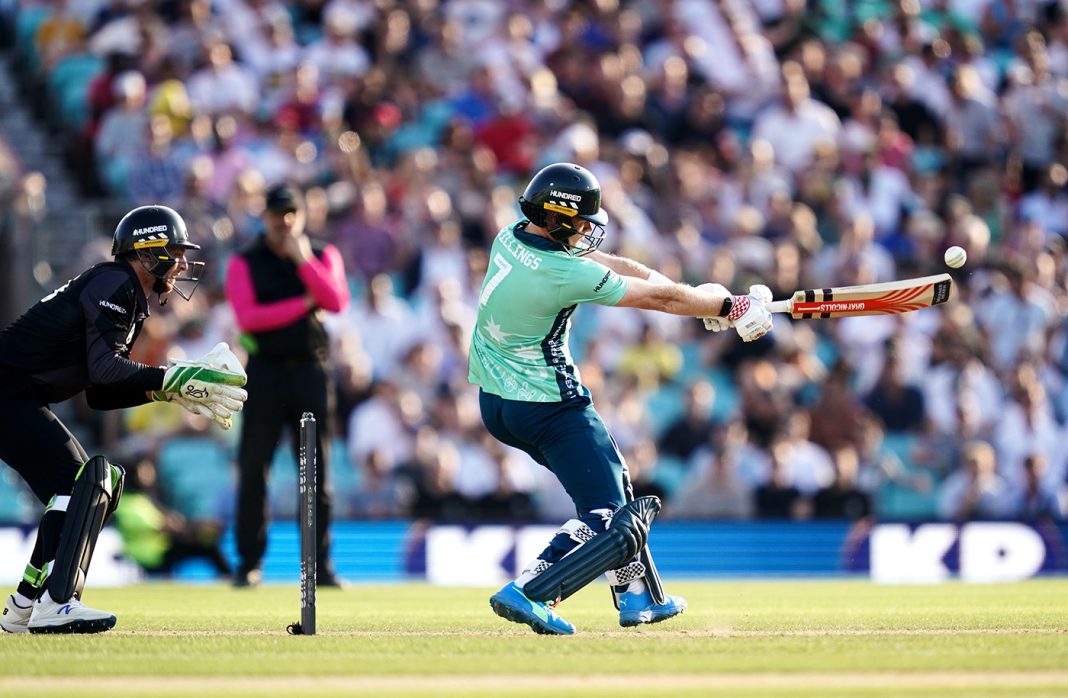

Power Hitting In Cricket has evolved from a rare finishing skill into a full-time batting weapon used across formats. Modern batting is no longer limited to textbook drives and conventional angles. Today, run acceleration, strike rate control and high-impact scoring windows define dominance. Young batters are training specifically for explosiveness, not just survival, and this shift has turned power-hitting into the heartbeat of limited-overs cricket.
Physical Foundation Behind Power Hitting In Cricket
True explosiveness does not start with technique alone. It begins with athletic preparation. The most successful modern batters invest deeply in core rotation strength, hip mobility, lower-body stability, and forearm power. These attributes create “stored elastic energy” during the swing. Instead of muscling the ball, they transfer force through momentum and timing.
What makes Power Hitting In Cricket more scientific today is how strength work is paired with biomechanics. High-performance coaches record bat swing paths to improve bat speed, backlift width and contact extension. The swing is treated like a kinetic chain—feet, trunk, and wrists all contributing to projection power.
Game Awareness Elevates Shot Selection
Even the strongest hitter cannot score consistently without choosing the right moments to attack. Power Hitting In Cricket is not just raw aggression; it is targeted acceleration based on field shape, bowler style, angles, and matchup reading. Smart batters plan ahead: they pre-empt where the bowler might miss and set up their base accordingly.
This planning separates elite hitters from sloggers. They don’t react randomly—they anticipate. A deep mid-wicket tells the batter that inside-out lofted drives are available. A slower ball field suggests waiting on the shot instead of rushing through the swing. Power becomes strategic rather than desperate.
Technique Refinement Turns Intent into Impact
Former generations often relied on brute force. Today’s generation blends force with leverage. The wrists and body position generate loft; the follow-through generates distance. Batters create space instead of forcing it. They also practice hold-position hitting, which stabilizes balance after connection.
This is why Power Hitting In Cricket looks so effortless at international level. Clean extension plus lower-body lift makes six-hitting a repeatable skill rather than a risk gamble.
Matchups Create Advantage
Modern hitters train to read bowlers like chess opponents. A side-arm release means horizontal bat shots. A high-arm seamer invites straight lofts. Wrist-spinners force range hitting square, while finger-spinners invite big strides and straight hitting.
This tactical literacy allows confident hitting even under scoreboard pressure. Power is effective when it is selective, not reckless.
Situational Hitting Defines Elite Finishers
The world’s finest hitters don’t dominate only in slog overs—they shift gears anytime opportunity appears. Whether facing a part-timer, a new bowler off rhythm, or a shorter boundary angle, they accelerate immediately. Timing their explosions separates good innings from defining ones.
Young players learning Power Hitting In Cricket must recognize this: impact is not measured by six counts alone—it is measured by when those sixes arrive.
Training with Purpose Builds Consistency
The technical and physical layers of power hitting succeed only when trained with clarity. Elite batters spend hours replicating match situations—hitting under fatigue, chasing target lines, or countering particular field plans. Instead of “swing practice,” they drill pressure-based variations.
They also rehearse risk assessments: when to step out, when to stay low, when to access scoop space, and when to transfer weight behind the ball. This combination of instinct plus structure shapes reliable finishing.
Confidence is the Real Engine
No amount of strength or technique matters until the batter trusts their swing. The mental dimension of Power Hitting In Cricket begins with conviction. Hitters visualize outcome before execution—not to predict luck, but to switch their posture into dominance mode.
When mind and mechanics align, explosiveness looks natural. It is not forced. It feels like flow. This mental clarity makes power hitters dangerous during tight endings because they are not playing to survive—they are playing to dictate.
Modern cricket has entered a scoring era where explosive acceleration is no longer optional; it is the performance anchor. High-impact hitters aren’t waiting until the final overs—they are shaping innings across phases. This transformation is why Power Hitting In Cricket is now studied as a specialist art in every format, and why future generations will treat explosiveness as a primary skill rather than a finishing add-on.
Read also:
pakistan national cricket team vs sri lanka national cricket team match scorecard
bangladesh national cricket team vs afghanistan national cricket team match scorecard
india women’s national cricket team vs australia women’s national cricket team match scorecard
sri lanka national cricket team vs pakistan national cricket team match scorecard
oklahoma city thunder vs denver nuggets match player stats
memphis grizzlies vs golden state warriors match player stats
timberwolves vs golden state warriors stats