
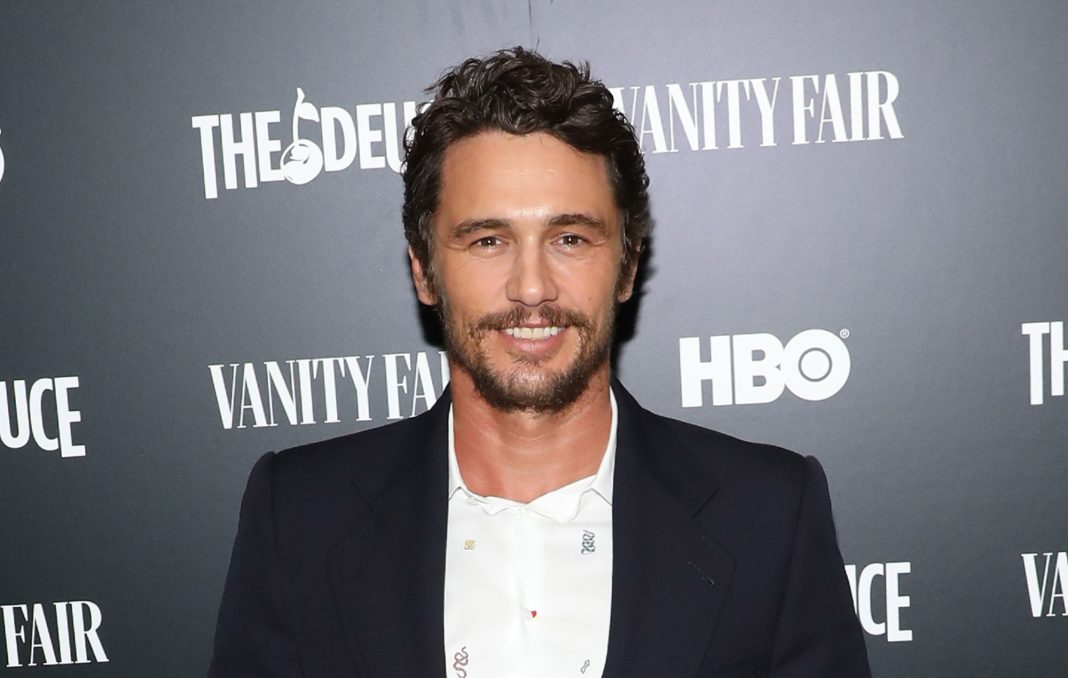

James Franco’s rise to fame in the early 2000s was meteoric. From his breakout role as Harry Osborn in Sam Raimi’s Spider-Man trilogy to his Oscar-nominated performance in 127 Hours, Franco was a versatile actor with a promising career. However, in recent years, his presence in Hollywood has diminished significantly. This article delves into the factors that contributed to Hollywood’s decision to distance itself from James Franco.
The Early Years: A Promising Career
James Franco’s acting career began with notable performances in films like Freaks and Geeks and Spider-Man. His portrayal of Harry Osborn showcased his ability to bring depth to complex characters. Franco’s commitment to his craft was evident as he took on diverse roles, including his portrayal of James Dean in the biographical film James Dean, which earned him a Golden Globe Award.
In addition to acting, Franco ventured into directing and producing, further establishing his presence in the entertainment industry. His film The Disaster Artist, which he directed and starred in, received critical acclaim and was nominated for several awards, including a Golden Globe for Best Actor.
The Allegations: A Turning Point
In 2018, James Franco faced allegations of sexual misconduct from multiple women. The accusations primarily stemmed from his time as an instructor at his now-defunct acting school, Studio 4. Former students alleged that Franco exploited his position to engage in inappropriate behavior, including pressuring students into explicit scenes and making suggestive remarks.
One of the most publicized allegations came from actress Sarah Tither-Kaplan, who claimed that Franco removed protective coverings during an intimate scene, exposing actresses to unnecessary risk. These allegations were compounded by reports of a pattern of behavior that many perceived as predatory.
Franco denied the allegations, stating that he did not engage in any inappropriate behavior. However, the damage to his reputation was significant. The #MeToo movement had already brought attention to issues of sexual harassment and misconduct in Hollywood, and Franco’s case became a focal point in the ongoing conversation about power dynamics in the entertainment industry.
The Legal Consequences
In 2021, James Franco agreed to a $2.2 million settlement to resolve a class-action lawsuit filed by former students at Studio 4. The lawsuit accused Franco of sexual misconduct and exploitation. While Franco did not admit to any wrongdoing, the settlement was seen as an acknowledgment of the severity of the allegations.
The legal proceedings further tarnished Franco’s image in Hollywood. Studios and production companies became hesitant to work with him, fearing backlash from audiences and advocacy groups. The settlement also led to the cancellation of several projects that had been in development, including a film adaptation of The Long Home, which Franco was set to direct and star in.
The Impact on Hollywood
The allegations against James Franco had a ripple effect throughout Hollywood. Many of his collaborators distanced themselves from him, and his once-promising career began to unravel. Notably, actor Seth Rogen, a longtime friend and frequent collaborator, publicly stated that he would not work with Franco again, citing the allegations as the primary reason.
The entertainment industry, already grappling with issues of diversity and inclusion, viewed the allegations as a significant setback. Hollywood’s response to Franco’s case underscored a growing commitment to holding individuals accountable for their actions, regardless of their status or influence.
The Road to Redemption
In the years following the allegations, James Franco took steps to rebuild his life and career. In a 2022 interview, he acknowledged the harm caused by his actions and expressed a desire to make amends. He stated that he had sought therapy and was committed to personal growth.
Franco’s return to acting came with the release of the film Me, You, a post-World War II drama in which he portrayed a fisherman. The film premiered at the Rome Film Festival and marked his first major role in several years. Critics noted that Franco’s performance demonstrated a renewed commitment to his craft.
Despite his efforts, Hollywood remained cautious. While some industry insiders expressed a willingness to give Franco a second chance, many others remained skeptical. The road to redemption for Franco is likely to be long and fraught with challenges.
Conclusion
The question of why Hollywood stopped casting James Franco is multifaceted. While his early career was marked by critical acclaim and commercial success, the allegations of sexual misconduct and the subsequent legal and professional repercussions led to his diminished presence in the industry. Hollywood’s response reflects a broader shift towards accountability and a commitment to addressing issues of harassment and exploitation.
As James Franco continues his journey towards personal growth and professional reintegration, the entertainment industry watches closely. His story serves as a reminder of the complexities of fame, the importance of accountability, and the possibility of redemption.