

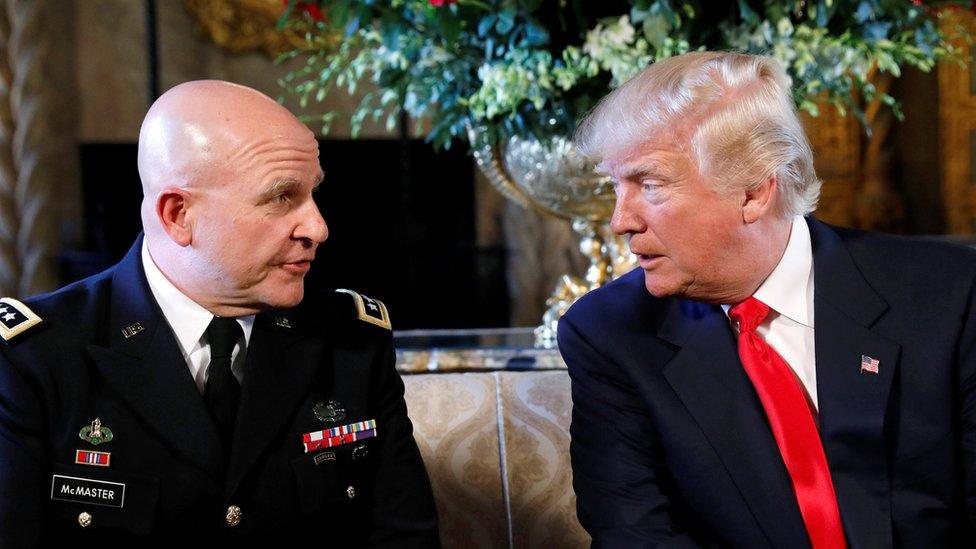
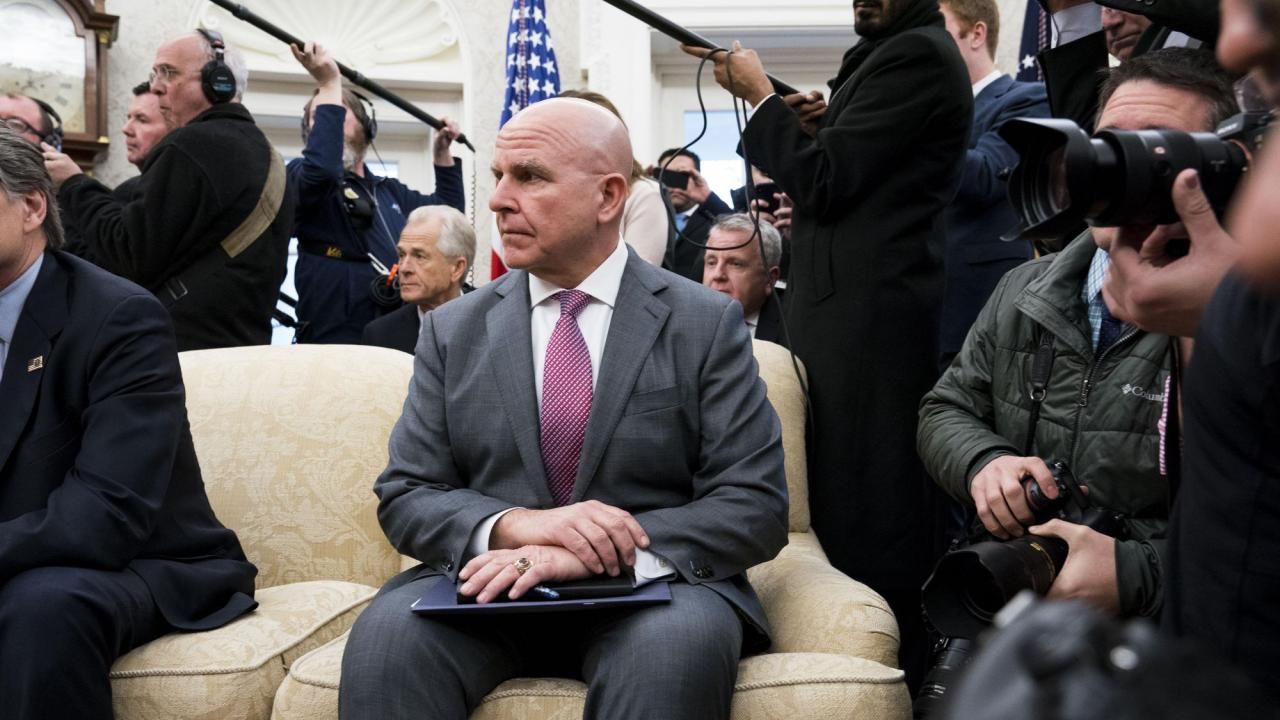
This appears to be a sort of common narrative within circles of conspiracy, this one involving retired General H.R. McMaster and this alleged involvement in a “Deep State” agenda over “eminent domain” in North Carolina. Let’s critically examine one way to analyze such stories using an eye on origins as well as possible misinformation.
- Evaluating the Source
- Source Credibility: One must first verify the legitimacy of the source reporting such a story. Legitimate news organizations, like The Associated Press, Reuters, BBC, or The New York Times, have strict fact-checking abilities. Stories involving high-ranking officials, arrests, or federal agency involvement would typically be widely covered if true. If such claims only appear on sites known for conspiracy theory or sensational content, best to keep the open mind skeptical.
- Echo Chambers and Confirmation Bias: Many conspiracy theories originate in online echo chambers where people will reinforce one another’s ideas. Often, persons who wish to believe sensationalized or mistrustful stories have “cherry picked” the sources that fit their bias. The key to knowing this may help you deconstruct such a story more objectively.
- Identifying Misinformation Techniques
- Sensational Language: Words like “Deep State,” “White Hats,” and “takeover” evoke emotion, making the stories seem urgent or even dangerous. These are all classic conspiracy story tropes-an emotionally charged atmosphere rather than a critical or objective one.
- “White Hats” and “Black Hats” Terminology: Once again, as in all conspiracy narratives, “white hats” are created to appear as an invisible secret group of friendly insiders, but “black hats” stand for corrupt or evil insiders. Therefore, the plot could easily be constructed as a “good vs. evil” case where readers are called to take a side based on no evidence.
- The “Deep State” Concept: The term “Deep State” is somewhat used to suggest an unseen, not at all democratic, web of power within the government. No credible source has ever found evidence for its existence and it is considered as a fear-mongering concept in conspiracy theory discourse.
- Understanding the Concept of Eminent Domain
- Eminent Domain in Real Life: Eminent domain refers to the government’s right of taking private property for public use and is often exercised while being accompanied by compensation from the owner. In the United States, eminent domain can be applied to the construction of some infrastructures, though it should follow specific legal criteria and procedural safeguards.
- Misrepresentation in Conspiracies: Conspiracy myths tend to distort the meaning of eminent domain and turn it into a menacing and dark force which is meant for seizure. In reality, eminent domain has its lines drawn well within the realms of law, and a misuse of eminent domain – proper or malicious – can be prosecuted in a court of law. Probable “eminent domain takeovers” with little or no concrete evidence or legal framework are likely a myth and a scare tactic to ignite alarm and anxiety.
- Fact-Checking and Verifiable Information
- Verifying News Through Trusted Channels: If the arrest or legal proceedings involve prominent public figures, major media organizations, and government agencies and legal systems will probably verify it. One can directly check it with reliable news organizations or governmental announcements to see whether any part of the story has any basis in reality.
- Distinguishing Real Events from Fabricated Ones: The fact is that conspiracy theories often attribute and manufacture incidents. For instance, if FEMA or any other public official were undertaking a large-scale project in North Carolina, then obviously it would be known to the public as local and national news would have covered the stories. If nothing is heard from those sources, the event might be fabricated.
- Misinformation About H.R. McMaster
- Role and Background of H.R. McMaster: General H.R. McMaster is a retired officer of the United States Army, who used to be Donald Trump’s National Security Advisor. McMaster is a successful military leader and writer. Ever since retiring from service, McMaster has spoken publicly about national security issues, but he never had any history with proved schemes or any sort of scandals. Why these kinds of accusations usually are brought against some public persons, for example, General McMaster, depends on their political affiliations or on how people perceive the relation with some kind of policy.
- Understanding Why Public Figures Are Targeted: High officials, especially those attached to government or military institutions, are prime targets of conspiracy theories. Their increased visibility and perceived influence elevate them into attractive characters for stories designed to constitute a dark “them against us” paradigm.
- How Conspiracy Theories Evolve and Spread
- Viral Nature of Sensational Claims: Some of the reasons stories like that of McMaster make waves in society are because they resonate with people’s fears or sour relationship with institutions. Typically, conspiracy theories rely on sensational narratives so that the reader would easily share them.
- Role of Social Media Algorithms: Contents, which may be sensational, sensational or even emotive are magnified on Facebook, YouTube, and Twitter, etc. Algorithms prefer the contents that truly engross the audience and are mostly contentious in nature. This enables them to be spread at a faster rate.
- The “Snowball Effect”: Small, unverified facts, such as a real government project in North Carolina, or the mention of FEMA, get lost in a vacuum of context and amplified into larger conspiracy theories. Details come and go, changed over time to give an increasingly sensational but more and more removed-from-reality story.
- Spotting Red Flags in Conspiracy Theories
- Anonymity of Sources: Conspiracies often rely upon anonymous insiders, “sources close to the matter,” or “white hats.” Unless mainstream sources, there is no independent verification.
- Lack of Evidence or Documentation: A conspiracy plot typically features major arrests or government actions, which usually come with official documents, press releases, or court records. Stories that don’t have these are more suspect.
- Claiming Major Media Blackout: Conspiracy theories often suggest that mainstream media is hiding the truth. In reality, major news organizations compete to break stories and would not willingly ignore significant news.
- Tools and Tips for Evaluating Information
- Cross-Reference News Reports: Multiple credible sources reporting a story independently make the credibility of the story stronger. If only fringe sources report the story, it makes it less likely to be credible.
- Check Fact-Checking Websites: Some are dedicated solely to verification of information, such as Snopes, FactCheck.org, and Politifact. Many conspiracy theories are debunked or explained there.
- Verify Government Actions Through Official Channels: However, the best sites for confirmed news on arrests, policy change, or any major event are official statements and bureaucratic web pages.
Conclusion: Approach Stories Like These with Healthy Skepticism
While it is tempting to believe dramatic stories about hidden agendas or secret arrests, critical thinking must be applied to verify information before accepting or sharing such stories. Most narratives involving “Deep State” actions, “white hats,” or alleged “takeovers” are fact-free and rely on sensationalized language and unverified claims to capture attention.
ibommamovie.org
chipotleonline.co
hotshizz.com
respectmycurls.com
biowineandco.com
filmy4wapps.org
afilmywaps.com
liveasabrand.com
rajkotupdate.org
guicloud.me
meansbusinessk.com
MyNoteBiz.com
snowberryrose.com
highsontrip.com
bizcraftnet.com
bizclienthub.com
elitestratco.com
bizstrategyz.com
bizblitzforce.com
In short, that headline you brought up had no hard facts, retained all the features of a conspiracy theory with an obvious aim to elicit an emotional response rather than based on evidence. Remember to fact-check from credible sources and verify further information needed through official channels and be suspicious of such a story.