
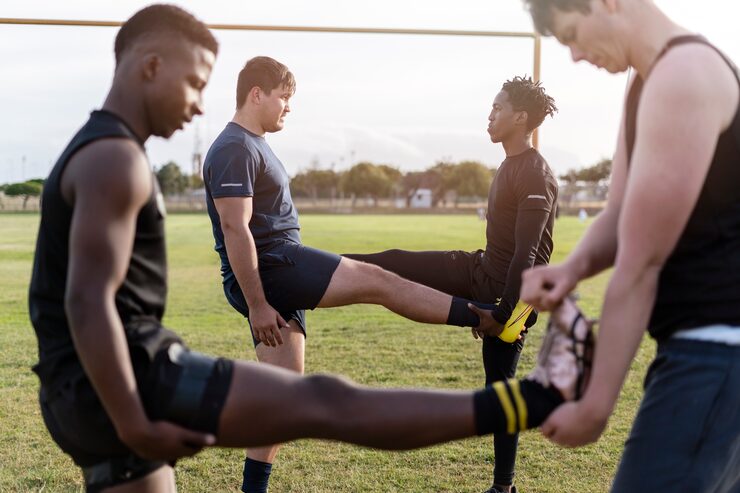

Sports Training Programs are essential for anyone looking to improve athletic performance, develop discipline, and maintain overall fitness. From school-level students to professional athletes, structured training regimens provide the foundation for physical, mental, and strategic growth. In an era where competition is fierce and performance expectations are high, effective programs distinguish champions from participants.
Take the example of a high school track athlete preparing for national competitions. Without proper guidance and structured training, raw talent alone might not be enough. Implementing well-designed Sports Training Programs not only optimizes physical conditioning but also develops mental resilience, teamwork, and strategic awareness—qualities crucial for excelling in competitive sports.
Understanding the Core of Sports Training Programs
At the heart of every successful athlete’s routine is a systematic approach that balances multiple components. Effective programs focus on strength training, endurance, flexibility, and agility while considering nutrition, rest, and mental conditioning. The goal is to create a holistic system that enhances overall performance rather than focusing on isolated skills.
For students, structured training instills discipline and fosters a healthy lifestyle. A student participating in basketball or cricket, for example, gains not only sport-specific skills but also life skills like time management, goal setting, and resilience. This shows that Sports Training Programs offer benefits that extend beyond the field.
Customized Training for Individual Goals
No two athletes are the same. Effective training programs are tailored to individual strengths, weaknesses, and objectives. Personalized routines take into account age, fitness level, sport type, and competitive ambitions.
Consider a young swimmer aiming for regional championships. A coach evaluates stroke efficiency, endurance capacity, and recovery patterns before designing a personalized regimen. Similarly, a student football player might focus on speed drills, tactical awareness, and stamina. Customization ensures each participant maximizes potential while reducing the risk of injury.
The Role of Mental Conditioning in Sports
Physical prowess is just one aspect of athletic success. Mental conditioning is equally critical. Techniques such as visualization, goal-setting, mindfulness, and stress management help athletes maintain focus and perform under pressure.
A relatable example involves a college-level tennis player facing high-pressure tournaments. By integrating mental exercises alongside physical training, the athlete improved concentration, reduced anxiety, and enhanced competitive performance. This demonstrates that comprehensive Sports Training Programs cultivate both body and mind.
Nutrition and Recovery Strategies
Optimal performance depends on more than practice alone. Nutrition and recovery are integral components of modern training programs. Balanced diets, hydration strategies, and sufficient rest periods ensure that athletes remain energized and resilient.
Professional teams and student athletes alike follow diet plans tailored to energy requirements and recovery needs. A student volleyball team, for instance, incorporates protein-rich meals, hydration routines, and post-practice stretching sessions to prevent fatigue and injuries. These practices highlight that proper nutrition and recovery are pillars of successful training.
Incorporating Technology in Training
The rise of wearable devices, fitness trackers, and performance analytics has transformed the landscape of Sports Training Programs. Coaches and athletes now monitor heart rate, movement patterns, recovery metrics, and skill progression in real-time.
For example, a cricket team utilizes motion sensors to track bowling techniques, providing immediate feedback on mechanics and performance. Similarly, a student track athlete uses GPS-enabled watches to measure speed, distance, and recovery times. Integrating technology ensures training is efficient, data-driven, and outcome-oriented.
Team Sports vs Individual Sports Programs
Training differs depending on the nature of the sport. Team sports emphasize collaboration, strategy, and communication, whereas individual sports focus on personal skill refinement, endurance, and self-discipline.
Take soccer and gymnastics as examples. Soccer players participate in drills that enhance coordination, positional awareness, and teamwork. Gymnasts, on the other hand, prioritize repetitive skill mastery, strength, and flexibility. Both benefit from Sports Training Programs, but the approaches are uniquely tailored to their specific needs.
Preventing Injuries Through Structured Training
One of the most critical aspects of athletic development is injury prevention. Structured programs incorporate warm-ups, cool-downs, stretching routines, and progressive load increases to minimize risks.
A student basketball player who skips stretching or overtrains may face sprains or muscle tears. Conversely, athletes following a well-designed regimen experience fewer injuries and faster recovery. This shows that Sports Training Programs are as much about safety as performance.
Real-Life Success Stories
Consider a student who began participating in structured soccer programs at age 14. Through consistent training, nutrition guidance, and mental coaching, she earned a scholarship at a national sports academy. Similarly, a high school track team integrated tailored endurance and strength training into daily sessions, improving regional rankings and individual personal bests.
These stories underscore the transformative impact of effective programs. They demonstrate that consistent, well-designed training shapes athletes’ capabilities, confidence, and competitive edge.
Cultivating Discipline and Lifelong Skills
Beyond physical improvement, Sports Training Programs instill valuable life skills. Punctuality, perseverance, teamwork, and strategic thinking translate to academic performance, career development, and personal growth.
A student-athlete managing training schedules alongside academics learns to prioritize, plan effectively, and cope with stress. Such experiences cultivate a balanced, disciplined approach that benefits them far beyond sports arenas.
Continuous Evaluation and Adaptation
Sports training is dynamic. Regular assessment of progress, technique, and performance allows for continual adaptation of programs. Coaches adjust intensity, focus areas, and recovery strategies based on real-time observations and performance metrics.
For example, a youth swimming program introduces new stroke drills or modifies resistance training depending on observed improvements or challenges. Continuous evaluation ensures that training remains effective, relevant, and aligned with athletes’ evolving goals.
Read also:
afghanistan national cricket team vs south africa national cricket team match scorecard
6477226423
18006688850
social media girls
how to open zithupafeduz