
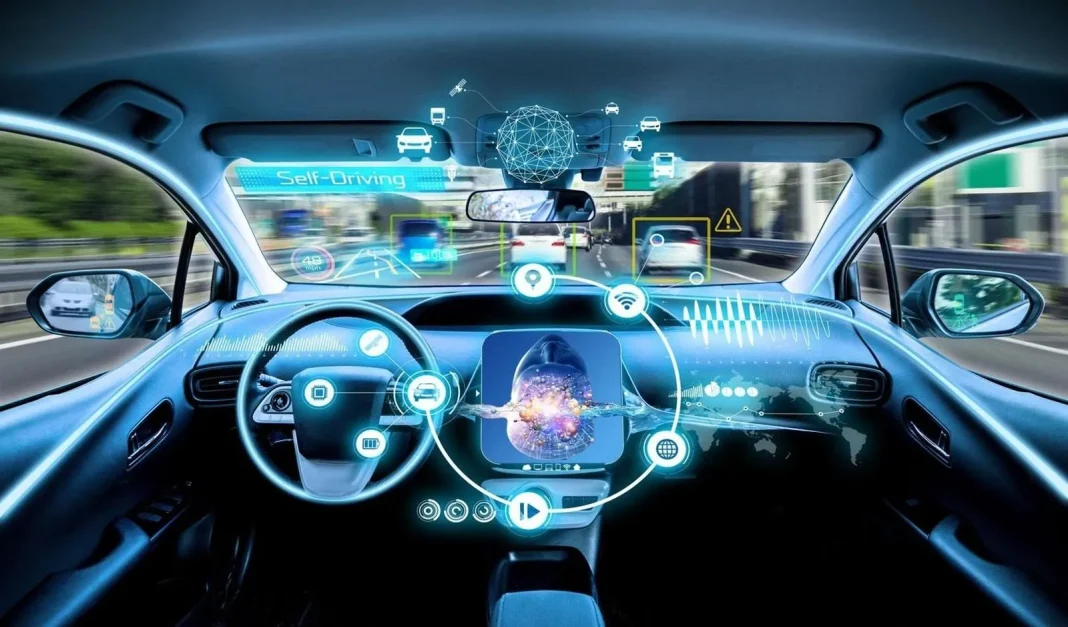

The automotive world is buzzing with innovation, and car technology is at the heart of this transformation. From electric powertrains to self-driving systems, the vehicles we drive today are becoming smarter, greener, and more connected. Real Talk on Car Tech dives into the advancements reshaping how we move, offering a clear look at what’s real, what’s hype, and what’s next. This article breaks down the key trends, their impact, and the challenges that lie ahead, giving you a no-nonsense perspective on the tech steering the future of driving.
Electric Vehicles: Powering Up the Roads
Electric vehicles (EVs) have moved from niche to mainstream, driven by advancements in battery technology and growing environmental awareness. Companies like Tesla, Rivian, and legacy automakers such as Ford and GM are pushing EVs with longer ranges and faster charging times. Lithium-ion batteries now offer ranges exceeding 300 miles in models like the Lucid Air, while solid-state batteries promise even greater efficiency in the coming years. Charging infrastructure is expanding, with networks like Electrify America adding thousands of fast chargers across highways. Yet, Real Talk on Car Tech means acknowledging the hurdles: battery production is resource-intensive, and supply chain bottlenecks for materials like cobalt and lithium persist. Still, EVs are cutting emissions and reshaping how we think about fuel.
Know more: teckjb com
Autonomous Driving: Are We There Yet?
Self-driving cars have been a tantalizing promise for years, but the reality is more complex. Companies like Waymo and Cruise have deployed limited autonomous fleets in cities like San Francisco, navigating urban streets with impressive precision. Level 4 autonomy—where cars handle most driving tasks without human intervention—is operational in controlled environments. However, Real Talk on Car Tech demands honesty: full autonomy (Level 5) remains elusive. Sensors like LIDAR and radar are improving, but unpredictable human behavior and regulatory hurdles slow progress. Tesla’s Full Self-Driving beta, for instance, still requires driver supervision, and recent data shows it struggles with complex intersections. The tech is advancing, but don’t expect driverless cars everywhere soon.
Connected Cars: Your Vehicle as a Smartphone
Today’s cars are rolling computers, packed with connectivity features that make them feel like extensions of our digital lives. Real Talk on Car Tech highlights how 5G integration allows vehicles to communicate with each other and infrastructure in real time, improving traffic flow and safety. Over-the-air (OTA) updates, pioneered by Tesla, let manufacturers tweak software remotely, fixing bugs or adding features without a dealership visit. Models like the Ford Mustang Mach-E and BMW iX boast infotainment systems with voice assistants and app integration, rivaling smartphone interfaces. But connectivity raises concerns: cybersecurity risks are real, with hackers potentially exploiting vulnerabilities in connected systems. Balancing innovation with security is a growing challenge.
Also Visit: unfit com
Safety Tech: Smarter Systems Saving Lives
Advanced driver-assistance systems (ADAS) are making roads safer, and Real Talk on Car Tech means recognizing their impact. Features like adaptive cruise control, lane-keeping assist, and automatic emergency braking are now standard in many mid-range vehicles, not just luxury models. Data from the Insurance Institute for Highway Safety shows that ADAS-equipped cars reduce crash rates by up to 20%. Technologies like Volvo’s Pilot Assist combine cameras, radar, and AI to keep drivers centered and alert. However, overreliance is a risk—drivers sometimes treat these systems as fully autonomous, leading to accidents. Manufacturers must ensure these tools enhance, not replace, human vigilance.
The Green Push: Beyond Just Electric
Car tech isn’t just about EVs; it’s about sustainability across the board. Real Talk on Car Tech includes the rise of hydrogen fuel cell vehicles, like Toyota’s Mirai, which emit only water and offer quick refueling. Hybrid systems, blending gas and electric, remain popular for their flexibility, with models like the Toyota Prius achieving over 50 miles per gallon. Automakers are also using recycled materials in interiors and developing energy-efficient manufacturing processes. Yet, challenges remain: hydrogen infrastructure is sparse, and the environmental cost of producing “green” vehicles can offset gains if not managed carefully. The push for sustainability is strong, but it’s not a straight road.
Know more: bnesim mod apk
The Road Ahead: Challenges and Opportunities
The future of car tech is bright but fraught with obstacles. Real Talk on Car Tech means grappling with the realities of cost and accessibility. Cutting-edge features like autonomous driving and advanced connectivity are often limited to premium models, leaving budget buyers with older tech. Infrastructure—whether for EV charging or 5G networks—must scale rapidly to keep pace with innovation. Regulatory frameworks also lag, with governments struggling to set standards for self-driving cars or data privacy in connected vehicles. Still, the opportunities are vast: smarter cities, reduced emissions, and safer roads are within reach if the industry can navigate these hurdles.
Also Visit: teckjb com app
Wrapping It Up
Car technology is transforming how we drive, live, and interact with our vehicles. From the quiet hum of electric motors to the promise of hands-free driving, the advancements are real and impactful. But Real Talk on Car Tech isn’t about blind optimism—it’s about recognizing the progress alongside the challenges. EVs are cutting emissions but face supply chain woes. Autonomous systems are improving but aren’t fully ready. Connectivity is seamless yet vulnerable. As the industry accelerates, balancing innovation with practicality will define the next era of mobility. The road ahead is exciting, and we’re all along for the ride.
For More Info: