
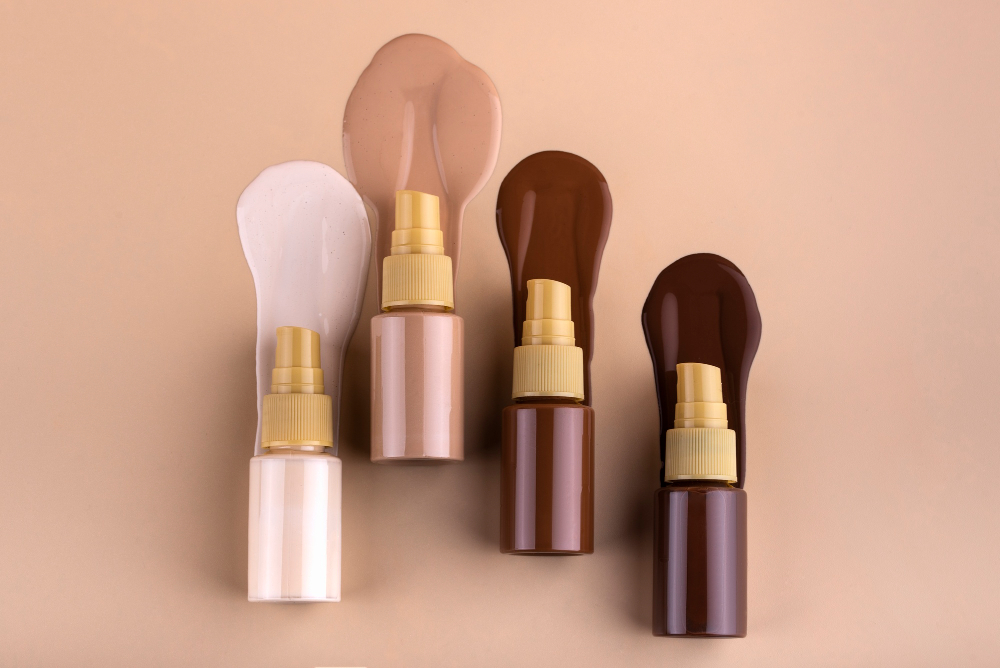

Foundation Shades can make or break your makeup look, transforming your face into a flawless canvas when chosen correctly. Finding the perfect match is both an art and a science, blending skin tone knowledge with practical testing. This 2025 guide dives into choosing the right foundation shade, understanding undertones, exploring top brands, application tips, and more, ensuring you glow with confidence.
Why Foundation Shades Matter
A well-matched foundation evens skin tone, enhances natural beauty, and boosts confidence. Mismatched shades can look unnatural, creating a mask-like effect. I remember my first makeup mishap, choosing a shade too light and looking ghostly in photos. The right shade blends seamlessly, acting as a second skin, whether for daily wear or a special event.
Understanding Skin Tones and Undertones
Skin tones range from fair to deep, but undertones—cool, warm, or neutral—are key to picking the right foundation. Cool undertones have pink or blue hues, warm undertones lean yellow or peachy, and neutral balances both. Checking your veins (blue for cool, green for warm) or how your skin reacts to sun exposure helps identify your undertone, guiding your shade selection.
The Evolution of Foundation Shades
The beauty industry has come a long way, with brands now offering inclusive shade ranges. Fenty Beauty’s 2017 launch with 40 shades set a new standard, pushing competitors to expand their lines. Today, brands like MAC, NARS, and Estée Lauder offer over 50 shades, catering to diverse skin tones globally, reflecting a commitment to inclusivity.
How to Choose the Perfect Foundation Shade
Start by testing foundation on your jawline, not your wrist, as it matches your face’s tone. Natural daylight is best for checking color accuracy. Swatch three shades—your estimated match, one lighter, and one darker—then blend to see which disappears into your skin. Many brands, like Sephora, offer shade-matching tools or in-store consultations for precision.
Testing Foundation Shades in Different Lighting
Lighting can trick you into picking the wrong shade. Indoor fluorescent lights can make foundations look ashy, while sunlight reveals true color. Test shades in natural light or use apps like Findation, which matches your shade across brands. I once bought a foundation under store lights, only to find it too orange outdoors, a lesson learned the hard way.
Top Brands for Inclusive Foundation Shades
Fenty Beauty’s Pro Filt’r Soft Matte Foundation leads with 50 shades, praised for its long-wear formula. MAC’s Studio Fix Fluid offers 67 shades, ideal for oily skin. NARS Natural Radiant Longwear Foundation, with 34 shades, suits dry skin with its dewy finish. Estée Lauder’s Double Wear and Lancôme’s Teint Idole, both with 40+ shades, cater to various undertones, ensuring options for everyone.
The Role of Undertones in Shade Selection
Undertones are often misunderstood but critical. For example, someone with a medium skin tone might need a warm-toned shade like Fenty’s 290 (golden) rather than a cool 280 (pink-based). Brands like ILIA and Too Faced label shades with undertone indicators, simplifying the process. Knowing your undertone prevents that dreaded ashy or overly warm look.
Foundation Formulas and Their Impact
Beyond shade, the formula matters—liquid, powder, cream, or stick. Liquid foundations, like L’Oréal Paris True Match, offer buildable coverage for most skin types. Powders suit oily skin, while creams, like Bobbi Brown’s Skin Foundation Stick, hydrate dry skin. Choose a formula that complements your skin’s needs to ensure the shade performs optimally.
Application Tips for a Flawless Finish
Apply foundation with clean tools—a damp beauty sponge for sheer coverage or a brush for full coverage. Start with a small amount, blending from the center outward. Set with a translucent powder for longevity, especially for oily skin. My go-to trick is mixing a drop of moisturizer with foundation for a natural glow, perfect for daily wear.
Common Mistakes to Avoid
A common error is choosing a shade to “brighten” your skin, which often looks unnatural. Skipping primer can make foundation cling to dry patches. Not blending into the neck creates a visible line, a mistake I made at a wedding once, caught in every photo. Always blend downward and check in natural light for a seamless look.
The Importance of Swatching and Sampling
Many stores, like Ulta, offer samples to test at home. Swatching multiple shades on your jawline and letting them sit for 10 minutes reveals oxidation—when foundation darkens on skin. Online tools like Temptalia’s Foundation Matrix help match shades across brands, saving time and money. Sampling ensures you invest in the right product.
Foundation Shades for Special Occasions
For events like weddings or photoshoots, choose a foundation with medium-to-full coverage, like Charlotte Tilbury’s Airbrush Flawless. Flashback-free formulas prevent white cast in photos, a lesson I learned after a prom disaster with the wrong shade. Match your shade to your chest for consistency, especially in formal wear with exposed skin.
The Rise of Custom Foundation Shades
Brands like Lancôme’s Le Teint Particulier offer custom-blended foundations using AI scanners for precise matches. Sephora’s Color iQ technology scans skin to recommend shades across brands. These innovations, though pricier, ensure a perfect fit, especially for unique undertones or seasonal skin changes, revolutionizing the makeup game.
Seasonal Changes and Shade Adjustments
Skin tone shifts with seasons—tanner in summer, paler in winter. Keep two Foundation Shades handy, one for each season, or mix shades for transitions. For example, Fenty’s 310 in summer might shift to 300 in winter. Brands like Maybelline Fit Me offer affordable options to stock multiple shades without breaking the bank.
Catering to Diverse Skin Tones
The push for inclusivity has led brands to prioritize deeper skin tones, often underserved in the past. Pat McGrath Labs’ Sublime Perfection Foundation offers 36 shades, with robust options for dark skin. Makeup artist Daniel Martin, known for working with Meghan Markle, emphasizes testing shades on the face’s perimeter for accuracy, ensuring inclusivity shines through.
Budget vs. High-End Foundations
Affordable brands like NYX Professional Makeup (Can’t Stop Won’t Stop, 45 shades) rival high-end options like Dior Forever (42 shades). Drugstore foundations often match performance, with Revlon ColorStay offering long-wear for under $15. High-end brands provide luxurious textures, but budget options make flawless looks accessible to all.
Sustainability in Foundation Packaging
Eco-conscious brands like Kjaer Weis and RMS Beauty use refillable compacts for their foundations. Glass bottles, as seen in ILIA’s True Skin Serum Foundation, reduce plastic waste. Choosing sustainable brands aligns beauty with environmental responsibility, a trend growing in 2025 as consumers demand greener products.
Tips for Oily, Dry, and Combination Skin
Oily skin benefits from matte foundations like Estée Lauder Double Wear, controlling shine. Dry skin loves hydrating formulas like IT Cosmetics Your Skin But Better. Combination skin requires balancing products, like Clinique Even Better, which hydrates without clogging pores. Matching formula to skin type enhances shade performance.
The Role of Primer and Setting Spray
A primer creates a smooth base, ensuring foundation adheres evenly. Color-correcting primers, like Smashbox’s Photo Finish, neutralize redness or sallowness before applying foundation. Setting sprays, like Urban Decay All Nighter, lock in your shade for hours, perfect for long days or humid climates.
Why Foundation Shades Inspire Confidence
Finding the right shade is empowering. I recall the thrill of discovering my perfect match at a Sephora counter, transforming my makeup routine. A seamless foundation boosts self-esteem, letting your personality shine. Foundation Shades aren’t just makeup—they’re a tool for self-expression, celebrating every skin tone.
Trends in Foundation Shades for 2025
In 2025, hybrid foundations with skincare benefits, like Tarte’s Shape Tape Radiant, are trending. Lightweight, buildable formulas dominate, offering natural looks. Brands are expanding shade ranges further, with Fenty teasing 60 shades for its next launch, reflecting the industry’s focus on diversity and innovation.
How to Transition Shades Across Seasons
To adapt shades seasonally, mix a lighter and darker foundation for a custom blend. Tools like beauty blenders ensure smooth application. Brands like CoverGirl offer shade adjusters—drops to lighten or darken foundation—making transitions easy without buying multiple products.
The Social Impact of Inclusive Shades
The inclusivity movement, sparked by Fenty, has changed beauty forever. Social media platforms like X buzz with #FoundationShade posts, where users share swatches and tips. Makeup artists like Sir John advocate for representation, amplifying the call for shades that celebrate all skin tones, fostering a more inclusive beauty community.
Frequently Asked Questions (FAQs)
1. How do I find my perfect foundation shade?
Test foundation on your jawline in natural light, swatching three shades: your estimated match, one lighter, and one darker. Blend to find the shade that disappears into your skin. Tools like Sephora’s Color iQ can help pinpoint your match.
2. Why do undertones matter for foundation shades?
Undertones—cool, warm, or neutral—determine how a shade looks on your skin. Matching your undertone (check veins or sun reaction) prevents ashy or overly warm results. Brands like NARS label shades by undertone for easier selection.
3. What are the best brands for diverse foundation shades?
Fenty Beauty (50 shades), MAC (67 shades), and Pat McGrath Labs (36 shades) lead in inclusivity. They cater to fair, medium, and deep tones with varied undertones. Affordable options like NYX also offer wide ranges.
4. How can I avoid foundation shade mistakes?
Avoid testing on your wrist; use your jawline instead. Check in natural light to prevent mismatches. Blend into your neck and use samples to test at home, ensuring the shade suits your skin perfectly.
Read also:
wutawhelp guides for homes
betterthisfacts infomation from betterthisworld
betterthisworld money
stocks betterthisworld