
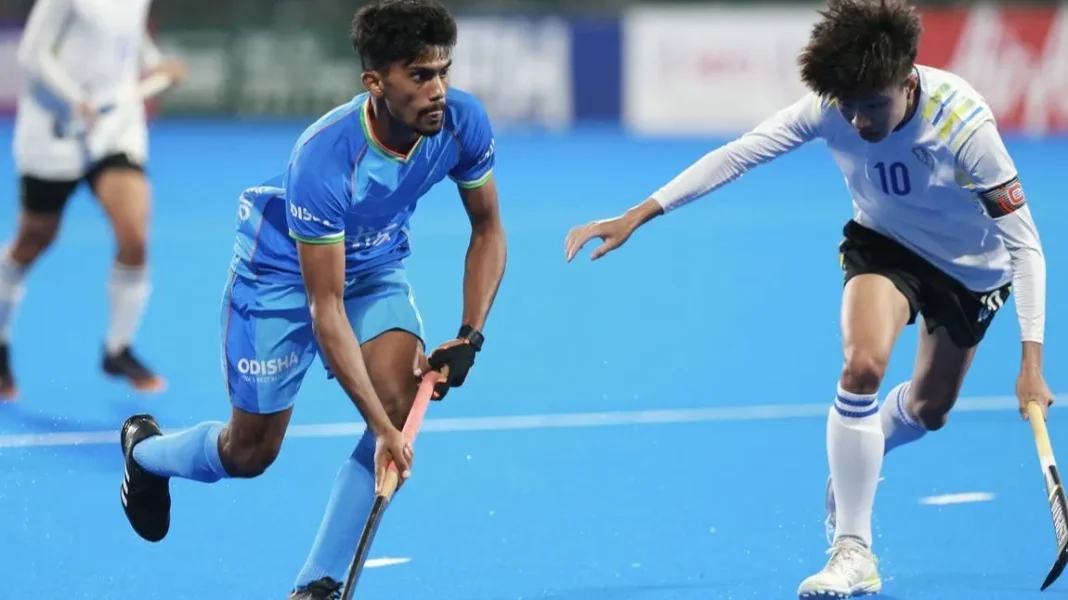

fast-paced hockey formats are rapidly reshaping the traditional structure of hockey, making the game faster, more dynamic, and incredibly spectator-friendly. Players are now adapting to quicker transitions, intensified strategies, and shorter game durations that test both endurance and tactical acumen.
The introduction of these formats has not only changed on-field play but has also impacted training, fan engagement, and global hockey culture.
Why Fast-Paced Formats Are Necessary
Traditional hockey matches, often extending beyond standard durations, can sometimes slow down spectator engagement. fast-paced hockey formats address this by condensing gameplay into shorter, high-intensity intervals.
This appeals to younger audiences and enhances broadcast appeal while encouraging teams to optimize speed, skill, and decision-making under pressure.
Evolution of Fast-Paced Hockey Formats
Over the past decade, hockey federations worldwide have experimented with game structures. Formats like Hockey 5s, Hockey Pro League tweaks, and indoor variations focus on accelerated gameplay.
By reducing the number of players on the field and shortening quarters, these formats promote quick ball movement, relentless offense, and continuous action, keeping both players and fans on edge.
Player Adaptations in Fast-Paced Hockey
Athletes need enhanced stamina, agility, and mental sharpness to thrive in these fast-paced hockey formats. Training now emphasizes explosive speed, precise ball control, and rapid tactical decision-making.
Coaches also adjust substitution strategies to maintain high intensity, ensuring players remain effective throughout the condensed match durations.
Fan Engagement and Fast-Paced Hockey
fast-paced hockey formats directly influence fan experience. Shorter games mean audiences witness continuous action without extended downtime. Rapid scoring opportunities and dynamic plays increase excitement both in arenas and via live broadcasts.
Interactive platforms, social media highlights, and fan polls further amplify engagement, making hockey more relatable to younger, digital-savvy audiences.
Tactical Shifts in Modern Hockey
Tactics in fast-paced hockey formats are evolving. Teams prioritize rapid counterattacks, tighter defensive coordination, and situational awareness. Coaches focus on speed, spacing, and anticipatory moves that exploit opponent vulnerabilities in real-time.
This level of tactical sophistication demands not only physical prowess but also cognitive agility from every player on the field.
Technology Supporting Fast-Paced Formats
Performance analytics, wearable trackers, and video feedback systems are integral to optimizing player output in fast-paced hockey formats. Teams monitor heart rate, sprint frequency, and positioning to refine training and recovery.
This ensures players can sustain high-intensity performance while minimizing injury risks associated with accelerated gameplay.
Youth Development and Shorter Formats
Youth leagues are increasingly adopting fast-paced hockey formats to introduce players to high-energy gameplay early. Smaller team sizes, shorter matches, and faster turnovers help young athletes develop technical skills, game vision, and decision-making capabilities.
These early exposures prepare future players for professional demands and make the sport more engaging for participants and spectators alike.
International Impact of Fast-Paced Hockey
Global tournaments experimenting with fast-paced hockey formats have seen increased viewership, higher scoring matches, and more competitive balance. Countries with strong traditional hockey histories now face new challenges adapting to these rapid formats.
This evolution fosters international competitiveness, as teams must innovate tactically while managing player fitness and recovery.
Marketing and Commercial Growth
Shorter, high-action games have opened avenues for sponsors, broadcasters, and digital platforms. fast-paced hockey formats align with modern consumption habits, allowing media houses to package content for social media, highlight reels, and interactive fan experiences.
This commercial boost ensures sustainable growth for leagues while enhancing the global profile of the sport.
Injury Prevention and Fitness Adaptation
Accelerated game formats require players to maintain peak physical condition. Strength training, cardiovascular endurance, and recovery protocols are emphasized more than ever in fast-paced hockey formats.
Medical teams focus on reducing fatigue-related injuries while ensuring players can consistently perform explosive movements throughout condensed matches.
Cultural Shift in Hockey Attitudes
With fast-paced hockey formats, a cultural shift is evident. Traditional patience is replaced with proactive action, quick transitions, and emphasis on entertaining gameplay. Players, coaches, and federations now embrace agility, creativity, and innovation as core values of modern hockey.
Future Prospects
The trajectory of fast-paced hockey formats indicates continued innovation. As technology, analytics, and fan engagement methods advance, the sport will likely see even more condensed, thrilling formats that appeal to global audiences.
These formats will shape not only the tactics but also the business and cultural aspects of hockey worldwide.
Read also:
websites like hurawatch
wellhealthorganic.com morning coffee tips with no side effect
hurawatch websites
kerala blasters vs bengaluru fc lineups