
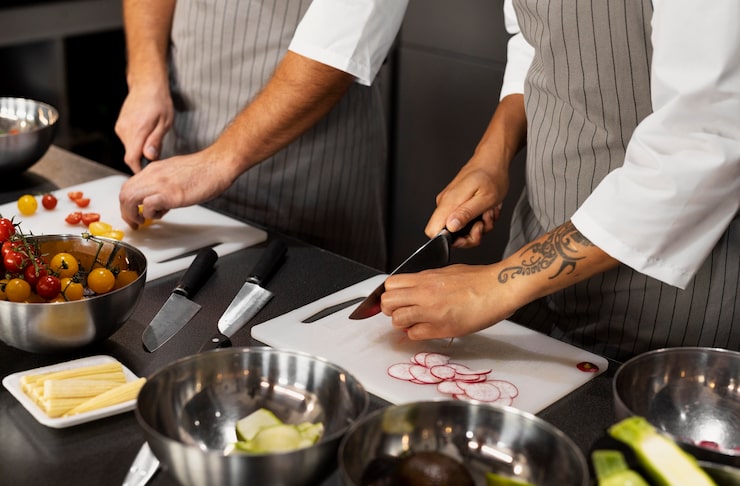

Classes for Culinary Arts are transforming the way aspiring chefs, food enthusiasts, and culinary students approach cooking. In today’s globalized world, mastery over international cuisines is not just a passion but a pathway to professional success. Structured culinary programs help students understand the nuances of flavors, techniques, and presentation, equipping them with skills to thrive in competitive kitchens worldwide.
Embracing Global Culinary Diversity
The essence of modern culinary training lies in exposure to diverse cuisines. Classes for Culinary Arts introduce students to French patisserie, Japanese sushi, Italian pasta, Indian spices, and Latin American street food—all within a structured learning environment. This exposure allows budding chefs to experiment with flavor profiles, cooking techniques, and plating styles, fostering creativity and cultural appreciation.
Consider a student enrolled in a global culinary program who spends one week mastering Italian pasta-making and another exploring Asian fusion techniques. This cross-cultural experience cultivates adaptability, an essential trait for chefs working in international kitchens.
Hands-On Learning Experiences
Practical, hands-on experience is a hallmark of effective Classes for Culinary Arts. Students are encouraged to work with fresh ingredients, utilize professional kitchen equipment, and experiment with recipes under the guidance of experienced chefs.
For instance, in a session on French pastries, a mentor might demonstrate the delicate folding technique for croissants, followed by mentees replicating it step by step. This method ensures that students gain both theoretical understanding and practical competence.
Storytelling Through Culinary Art
Modern culinary programs emphasize storytelling through food. Aspiring chefs learn to convey culture, history, and emotion through their dishes. A plate becomes more than a meal; it’s an experience. Classes for Culinary Arts encourage students to research the origin of ingredients, explore traditional recipes, and adapt them for contemporary tastes.
One example is a student who reinvents a classic Indian dessert with modern plating while maintaining authentic flavors. Such creativity bridges tradition and innovation, preparing chefs for dynamic culinary careers.
Networking and Mentorship
Another vital aspect of Classes for Culinary Arts is mentorship. Experienced chefs guide students not only in cooking techniques but also in kitchen management, customer interaction, and career planning.
Mentorship programs often connect students with industry leaders, restaurant owners, and international chefs, fostering networking opportunities. A young chef might collaborate on a pop-up event or participate in culinary competitions, gaining exposure and confidence.
Incorporating Technology in Culinary Education
Technology plays an increasingly important role in culinary training. Online modules, virtual kitchen simulations, and interactive recipe platforms supplement traditional classes. Students can watch high-definition tutorials, practice plating digitally, and receive real-time feedback from instructors across the globe.
For example, a culinary student learning Japanese sushi via virtual mentorship can receive live critique on knife skills and presentation, ensuring that digital learning complements hands-on experience.
Specialization and Career Pathways
Classes for Culinary Arts offer specialized tracks to cater to diverse interests and career goals. Students may focus on bakery, international cuisines, molecular gastronomy, nutrition-focused cooking, or food photography. This flexibility allows young chefs to align their passion with market demand.
Graduates often find opportunities in five-star hotels, cruise lines, boutique restaurants, or as private chefs. The ability to adapt to various cuisines and techniques enhances employability and entrepreneurial potential.
Cultural Immersion and Culinary Tourism
Many advanced programs incorporate cultural immersion trips where students travel to countries known for specific cuisines. This experience deepens their understanding of traditional cooking methods, ingredient sourcing, and dining customs.
For example, visiting a spice market in India or a vineyard in France allows students to learn directly from local artisans. Classes for Culinary Arts combine these experiences with classroom instruction, creating a holistic learning environment that blends culture, taste, and technique.
Sustainability and Ethical Cooking
Modern culinary programs increasingly focus on sustainability. Students learn to minimize food waste, source ingredients responsibly, and create eco-friendly menus. These lessons prepare chefs to be not only skilled in cooking but also conscientious professionals mindful of their environmental impact.
A student learning sustainable seafood preparation, for instance, gains insight into sourcing local fish, respecting seasonal availability, and reducing waste—skills that appeal to environmentally aware customers and employers alike.
Continuous Assessment and Feedback
Effective Classes for Culinary Arts prioritize evaluation and feedback. Students regularly present dishes for critique, receive constructive guidance, and refine their techniques iteratively. This feedback loop ensures that aspiring chefs continuously improve, gaining mastery over both simple and complex culinary processes.
For example, after preparing a multi-course meal, students might receive feedback on flavor balance, texture, plating, and timing. This iterative process fosters precision, creativity, and confidence in their abilities.
Real-Life Success Stories
Globally, culinary students from such programs have gone on to establish successful restaurants, secure positions in Michelin-starred kitchens, or become renowned food influencers. Their success highlights the transformative power of comprehensive Classes for Culinary Arts in equipping young chefs with practical skills, creativity, and industry insights.
Read also:
hotel taj menu card
h20 tea menu
dairy qeen menu
chagee menu price malaysia