
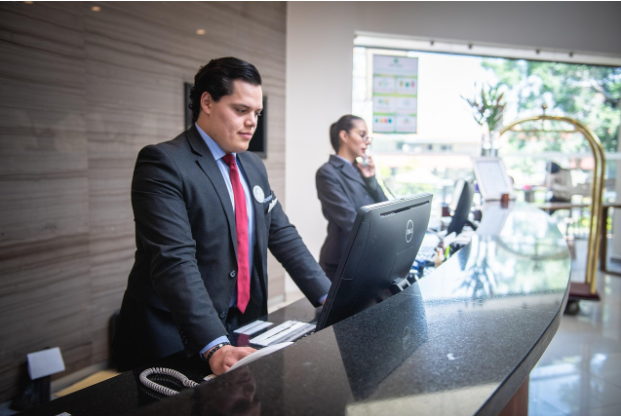

In the hospitality industry, trust is currency. Travelers rely heavily on online reviews, ratings, and brand perception when deciding where to stay. A single negative experience, if left unmanaged, can influence hundreds of potential guests. This is where hotel reputation management companies play a critical role by helping hotels monitor sentiment, respond strategically, and turn guest feedback into a competitive advantage. By combining digital marketing, SEO, and customer experience strategies, these firms protect brand credibility while directly contributing to higher occupancy and revenue.
Image source: pixabay.com
Leading digital marketing agencies such as Thrive Internet Marketing Agency, WebFX, Ignite Visibility, SmartSites, and Victorious have expanded their services to support hospitality brands that need scalable and data-driven reputation management solutions. Their expertise spans review generation, local SEO, brand monitoring, and conversion optimization.
Understanding the Role of Reputation Management in Hospitality
Reputation management in hospitality goes beyond replying to reviews. It involves actively shaping how a hotel brand is perceived across search engines, review platforms, social media, and booking sites. Guests form opinions long before arrival, often based on Google reviews, TripAdvisor ratings, and OTA feedback.
The first step in executing an effective reputation management strategy is audit and visibility analysis. Hotels must identify where reviews are coming from, which platforms matter most for their target audience, and how their current ratings compare with competitors. Agencies start by consolidating data from multiple review sources into a single dashboard, allowing hotel operators to see patterns and gaps.
For example, a mid-scale urban hotel may discover that while its Google reviews are strong, its OTA feedback highlights recurring service delays. Addressing this insight operationally while responding publicly builds trust and signals accountability to future guests.
Protecting Brand Trust Through Proactive Review Monitoring
Proactive monitoring ensures that no guest feedback goes unnoticed. Reputation management companies use automation tools to track mentions, reviews, and ratings in real time. This prevents negative reviews from lingering unanswered and reinforces the hotel’s commitment to guest satisfaction.
Execution begins with setting alerts and response protocols. Hotels define response timelines, tone guidelines, and escalation paths. Agencies then train staff or handle responses directly to ensure consistency and professionalism. Every response should acknowledge the guest’s experience, offer a resolution when appropriate, and reflect the brand voice.
A practical example is a resort chain receiving a negative review about room cleanliness. A timely response that apologizes, explains corrective action, and invites the guest back demonstrates transparency. Over time, consistent responses like these increase consumer confidence and reduce the impact of isolated complaints.
Increasing Bookings Through SEO-Driven Review Strategies
Online reviews directly influence search visibility and conversion rates. Search engines prioritize businesses with frequent, high-quality reviews, especially for local search results. Reputation management companies integrate SEO best practices into review strategies to boost discoverability.
The process starts with review acquisition planning. Hotels identify touchpoints such as post-stay emails, SMS follow-ups, and front desk prompts to encourage satisfied guests to leave reviews. Agencies optimize messaging to comply with platform guidelines while maximizing response rates.
For instance, a boutique hotel that increases its Google review count from 150 to 400 within a year often sees a measurable lift in local pack rankings. Higher visibility leads to more clicks, and positive sentiment improves booking conversion rates. SEO and reputation management work together to create a sustainable growth loop.
Managing Guest Reviews at Scale Across Multiple Locations
Multi-location hotels face unique challenges. Managing reviews across dozens or hundreds of properties requires standardization without losing local relevance. Reputation management companies address this by combining centralized systems with localized execution.
The first execution step is creating brand-wide response frameworks. These include approved language, brand values, and service commitments. Next, agencies customize responses to reflect each property’s unique context, location, and amenities. This balance ensures authenticity at scale.
A hotel group with properties in different cities may receive similar complaints about check-in delays. While the core response structure remains consistent, local managers can add property-specific details. This approach maintains brand integrity while showing guests that feedback is handled at the local level.
Turning Negative Feedback Into Operational Improvements
Negative reviews are not just risks. They are valuable data sources. Reputation management companies analyze feedback trends to uncover operational weaknesses and improvement opportunities. This transforms reputation management into a business intelligence function.
Execution involves categorizing reviews by theme such as cleanliness, staff behavior, amenities, or pricing. Agencies then provide regular reports highlighting recurring issues and their potential revenue impact. Hotel leadership can prioritize changes based on guest sentiment data.
For example, if multiple reviews mention slow Wi-Fi, management can justify infrastructure upgrades. Once improvements are made, responding to future reviews by referencing these changes shows responsiveness. Over time, this reduces negative feedback and strengthens overall brand perception.
Leveraging Social Proof to Strengthen Brand Authority
Social proof is a powerful psychological driver in hospitality marketing. Reputation management companies help hotels amplify positive reviews and testimonials across marketing channels to reinforce credibility.
The execution process starts with identifying high-impact reviews that highlight unique selling points. These reviews are then repurposed into website testimonials, social media posts, and paid ad creatives. Agencies ensure that content aligns with SEO and conversion optimization principles.
A luxury hotel, for instance, may feature guest quotes about exceptional concierge service on its homepage. This not only builds trust but also sets expectations for service quality. When potential guests see consistent praise across platforms, booking hesitation decreases.
Measuring Success and Long-Term Reputation Growth
Effective reputation management is measurable. Companies track KPIs such as average rating growth, review volume, response time, sentiment trends, and booking conversions influenced by reviews. These metrics provide clear ROI visibility.
The final execution step is continuous optimization. Agencies review performance data monthly or quarterly, adjusting strategies based on seasonality, guest demographics, and competitive shifts. Hotels that treat reputation management as an ongoing process rather than a one-time fix see compounding benefits.
For example, a property that improves its average rating from 3.8 to 4.4 over 12 months often experiences increased direct bookings and reduced dependency on OTAs. This long-term value underscores why hotel reputation management companies are essential partners for hospitality brands aiming to scale trust, visibility, and revenue in a competitive digital landscape.