

Many businesses believe that frequent maintenance guarantees long equipment life and peak performance. While regular servicing is essential, the idea that more maintenance equals better results can backfire. Excessive interventions, unnecessary fluid changes, and redundant checks may lead to downtime, higher expenses, and unintended damage. This guide explains why this belief could be undermining your maintenance goals—and what to do instead.
1. Over-Servicing Disrupts Stable Operations
Excessive maintenance interrupts workflows and creates unnecessary downtime. Constant adjustments to machines already performing well risk creating new problems. Opening sealed systems or over-tightening parts can affect calibration, wear threads, or introduce contaminants. Maintenance should follow a structured plan, not impulse or guesswork. Scheduled reviews prevent over-intervention and ensure work adds value rather than causing disruption.
2. Unnecessary Fluid Changes Waste Resources
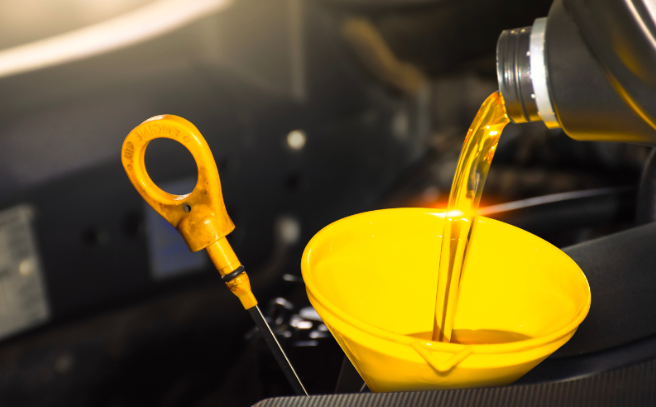
Changing engine or hydraulic fluids too frequently doesn’t always enhance performance. It may result in waste, higher costs, and reduced component life. Fluids designed for extended use contain additives that wear out prematurely if replaced too early. Working with a trusted engine oil supplier in Singapore helps determine the right interval for replacement based on load, temperature, and operating environment—avoiding the guesswork behind unnecessary changes.
3. Ignoring Manufacturer Guidelines
One major cause of over-maintenance is neglecting to follow equipment manuals. Operators may assume more frequent service prevents breakdowns, but each machine has a service range optimised for durability and efficiency. Ignoring these parameters reduces component life and may void warranties. Stick to the prescribed intervals unless operating conditions demand otherwise. Blind repetition of tasks can be more harmful than helpful.
4. Replacing Components Before End of Life
Prematurely replacing parts can disrupt machine balance and waste budget. Many systems rely on gradual wear to maintain proper alignment and function. Swapping parts too early breaks this cycle and can cause secondary damage or inconsistent performance. Condition-based monitoring allows you to replace components when they actually show signs of wear. This targeted approach keeps machines running optimally without excessive intervention.
5. Overlooking Lubrication Precision
Lubricants serve specific roles, and incorrect application affects their performance. Over-lubrication creates pressure buildup and leakage, while under-lubrication causes friction and wear. Consulting a reputable hydraulic oil supplier in Singapore ensures you get the right product and quantity for each system. Focused application based on actual usage data avoids overuse and maintains optimal equipment conditions without introducing new problems.
6. Training Gaps Lead to Excessive Caution
Teams unfamiliar with machinery operation or maintenance practices may err on the side of caution, leading to over-servicing. This stems from good intentions but results in wasted effort and avoidable costs. Address these training gaps through structured onboarding and clear maintenance protocols. Confidence in handling machinery correctly allows operators to make informed decisions rather than reacting from uncertainty.
7. Downtime May Increase, Not Decrease
Surprisingly, too much maintenance can lead to more—not fewer—interruptions. Each intervention introduces the possibility of human error, misalignment, or contamination. Systems taken offline regularly may fail to recalibrate properly when restarted, especially in automated environments. A smart maintenance strategy aims to minimise touchpoints while ensuring reliability through scheduled checks, condition monitoring, and supplier guidance.
Strategic Maintenance Delivers Better Results
Good maintenance doesn’t mean doing more—it means doing it right. An effective strategy is based on equipment condition, manufacturer guidance, and practical experience. It avoids assumptions and relies on accurate data to drive decisions. Working with the right engine oil supplier in Singapore and hydraulic oil supplier in Singapore helps align product use with real-world needs.
When you reduce unnecessary interventions, your machinery performs better for longer. You also save time, reduce costs, and improve operator confidence. The belief that more maintenance always leads to better outcomes can do more harm than good. Focus on precision, discipline, and education for results that truly support your operational goals.
Rethink your maintenance strategy—contact Mecpec Trading for expert support.