
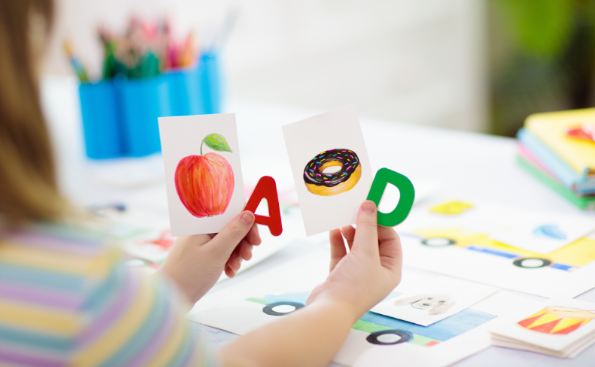

Early literacy plays a vital role in a child’s academic development, setting the foundation for future success in reading, writing, and communication. Phonics classes in Singapore help young learners build essential skills that improve their language proficiency and confidence. Parents figuring out ways to enhance their child’s early education often consider primary English tuition to support learning. Understanding the significance of early literacy and phonics instruction can help parents make informed decisions about their child’s educational journey.
Improving Spelling and Writing Skills
Phonics instruction enhances a child’s spelling abilities by teaching them sound-to-letter correspondence. Understanding how words are formed helps children spell correctly and recognise patterns in language. Primary English tuition focuses on reinforcing spelling through phonetic awareness, ensuring that students develop strong writing skills. Through phonics strategies, children become more independent in writing, reducing reliance on memorisation and guesswork.
Building Strong Foundations in Reading
Reading is a fundamental skill that impacts all aspects of a child’s education. Phonics classes in Singapore teach children how letters and sounds correspond, enabling them to decode words easily. Developing strong literacy skills ensures children can read fluently and comprehend text effectively. With structured phonics instruction, children in Primary 1 English programmes gain a solid foundation that supports their academic progress.
Boosting Reading Comprehension
Fluent reading is closely linked to their comprehension skills. Phonics classes in Singapore support young learners in recognising words quickly, reducing the cognitive load required for decoding. When children spend less time struggling with pronunciation, they can focus on understanding the meaning of a text. This improvement in reading fluency leads to better comprehension, essential for academic achievement in all subjects.
Enhancing Pronunciation and Speech Development
Phonics instruction plays a key role in improving pronunciation and articulation. By learning phonemes and blending sounds, children develop clearer speech and greater confidence in verbal communication. English tuition in Singapore often integrates phonics lessons to help young learners refine their pronunciation. Mastering phonetic patterns allows children to speak more accurately and with better enunciation, improving their communication effectively.
Encouraging a Love for Reading
Children who develop strong literacy skills early are more likely to enjoy reading. Phonics instruction makes learning to read a structured and engaging process, giving children the confidence to explore books independently. Exposure to age-appropriate reading materials during primary English tuition sessions fosters a positive attitude towards learning. When children view reading as enjoyable, they develop a lifelong habit that enhances their knowledge and creativity.
Supporting Academic Performance Across Subjects
Strong literacy skills benefit students beyond English language learning. Reading proficiency influences performance in science, mathematics, and social studies, where comprehension plays a crucial role. Primary 1 English programmes incorporate phonics instruction to help children grasp complex instructions, analyse written problems, and express ideas effectively. A solid literacy foundation enables students to excel across various disciplines.
Developing Independent Learning Skills
Early literacy instruction empowers children to become independent learners. Phonics classes equip students with the tools to decode unfamiliar words, improving their reading autonomy. As they gain confidence in their ability to read and comprehend text, children rely less on external assistance. English tuition in Singapore emphasises phonics to build self-sufficiency, preparing students for future academic challenges.
Catering to Different Learning Styles
Every child learns differently, and phonics instruction provides a structured approach that caters to various learning styles. Visual learners benefit from letter recognition, auditory learners grasp sounds through phonemic exercises, and kinaesthetic learners engage with hands-on activities. Primary English tuition integrates phonics techniques that suit diverse learning preferences, ensuring that each child receives effective instruction tailored to their needs.
Strengthening Confidence and Classroom Participation
A strong foundation in literacy encourages children to participate actively in classroom discussions. When children feel confident in their reading and writing abilities, they engage more freely in school activities. Primary 1 English programmes that incorporate phonics lessons build self-assurance, enabling students to answer questions, read aloud, and express their thoughts without hesitation. This increased confidence enhances their overall learning experience.
Learn More: Unlocking Early Literacy: The Power of Combining Phonics and Reading
Providing Long-Term Educational Benefits
The benefits of early literacy and phonics instruction extend outside primary school. Children who receive phonics-based education develop lifelong reading and communication skills that serve them well into adulthood. English tuition in Singapore prepares students for future academic challenges, ensuring they have a strong linguistic foundation for higher education and career success. Investing in early literacy education equips children with essential tools for lifelong learning.
Early literacy and phonics classes in Singapore provide young learners with the essential skills for academic and personal development. By building strong reading, writing, and comprehension abilities, these programmes ensure children excel in their education.
For more information about educational enrichment and tuition centres, contact The Eton Academy today.