
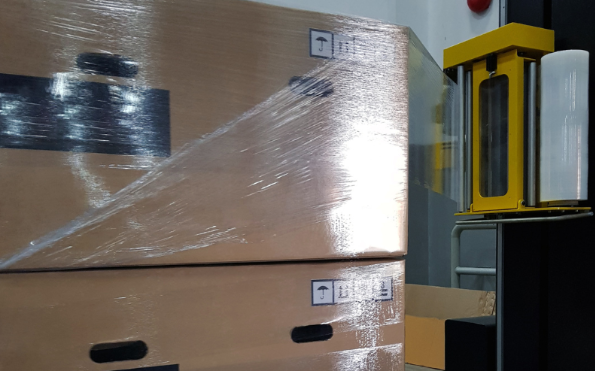

When it comes to packaging, businesses need reliable solutions that protect products while keeping costs in check. Stretch film and shrink wrap are two of the most common packaging materials, but choosing the right one depends on factors like load stability, efficiency, and overall protection. While both materials secure products, they operate differently and require different types of packaging machines. Let’s break down the differences and determine which method suits your needs best.
A Stretch for Success: What Is Stretch Film?
Stretch film is a highly elastic plastic film that wraps around products to secure them tightly. It works by stretching around a load and clinging to itself, creating a secure hold. Businesses use a wrapping machine to ensure consistency and efficiency in application, especially for larger or irregularly shaped loads.
Benefits of Using Stretch Film
One of the key benefits of stretch film is its ability to provide excellent load stability. The tension in the film keeps packages secure during storage and transportation, reducing the risk of damage or shifting. This packaging method is also cost-effective, as it requires less material compared to other solutions, helping businesses cut costs without compromising on security.
Another advantage is its versatility, as stretch film works well for various load sizes and shapes, making it a go-to option for industries dealing with diverse product dimensions. Additionally, the film is designed to be tear-resistant, meaning it can withstand movement and pressure without breaking easily.
Many companies rely on automated solutions to streamline their packaging process. Lantech, a well-known name in the packaging industry, produces high-quality stretch wrapping machines that simplify the task. These machines help businesses improve efficiency, reduce labour costs, and ensure a consistent wrapping process for all products.
Shrinking the Competition: What Is Shrink Wrap?
Shrink wrap, on the other hand, requires heat to shrink tightly around a product. This process is completed using a heat gun or a packaging machine with a built-in heating system. Unlike stretch film, shrink wrap forms a snug, tamper-proof seal, making it ideal for retail packaging and protecting individual products from moisture and contaminants.
Benefits of Using Shrink Wrap
One of the biggest advantages of shrink wrap is its ability to provide a tamper-evident seal. When shrink wrap is applied and heated, it tightens around the product, making it immediately clear if the package has been opened. This is especially useful for businesses that prioritise security, such as food and pharmaceutical industries.
Shrink wrap also offers superior protection against environmental elements, such as dust, moisture, and dirt, ensuring that products remain in pristine condition. This method is particularly effective for small packages, as it can bundle multiple items together, keeping them organised and easy to handle. Additionally, shrink wrap conforms to the shape of the product, creating a sleek and professional appearance that enhances the overall presentation.
Key Differences Between Stretch Film and Shrink Wrap
While both packaging materials offer security and protection, they serve different purposes. Stretch film is the better option for bundling and stabilising large shipments, making it ideal for warehousing and transportation. In contrast, shrink wrap provides a tight, tamper-proof seal around individual products, which is more suitable for retail packaging and delicate items that need protection from external elements.
Cost Comparison
Stretch film is generally more affordable because it requires minimal equipment. Businesses can use a simple wrapping machine or even apply it manually, which keeps operational costs low. On the other hand, shrink wrap involves additional expenses since it requires heat application, often needing specialised packaging machines or heat guns. The initial investment for shrink wrap is higher, but for companies prioritising tamper-proof packaging, the added cost may be worthwhile.
Application Process
Applying stretch film is a quick and efficient process, especially with the use of a wrapping machine. The process involves wrapping the film tightly around a load, relying on the film’s elasticity to secure the package. In contrast, shrink wrap requires an additional step. Once the wrap is applied, heat must be used to shrink the material around the product, adding time to the packaging process. This means businesses with high-volume packaging needs may find stretch film to be the more practical choice.
Best Use Cases
Stretch film is commonly used in warehouses and transportation industries where large shipments need to be stabilised. It provides the necessary support to keep loads secure during transit, reducing the risk of shifting or falling. Shrink wrap, however, is widely used in retail packaging, food protection, and any industry that needs a tight, protective seal. It is particularly beneficial for packaging perishable goods, ensuring they remain fresh and uncontaminated.
Let’s Wrap Things Up And Choose
The decision between stretch film and shrink wrap depends on your specific needs. If your primary concern is securing large shipments and ensuring load stability, stretch film is the most effective solution. Businesses dealing with high-volume packaging benefit from Lantech wrapping machines, which automate the process and improve efficiency. However, if product protection and tamper-proof sealing are more critical to your operations, shrink wrap is the better choice.
For companies looking to improve packaging efficiency, investing in the right equipment is crucial. Check out SUNSTREAM INDUSTRIES to find high-quality wrapping machines and packaging solutions tailored to your needs.