
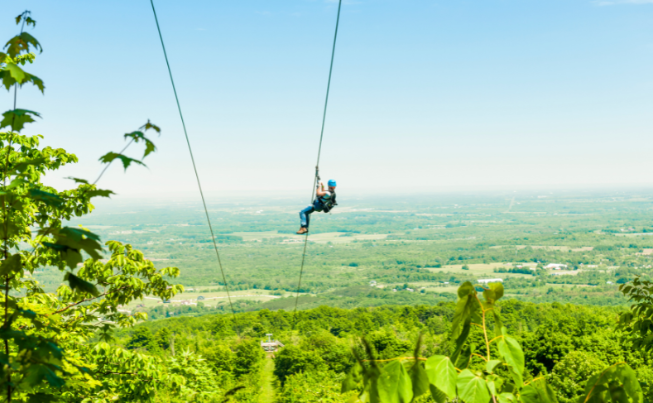

Team building is an essential aspect of fostering strong relationships in a corporate environment. Engaging in activities that require cooperation and support can help strengthen bonds among colleagues. One such activity that has gained popularity is zip lining, often included in team building for corporate settings. But does this thrilling activity truly build trust among team members? Let’s explore how a zipline can enhance teamwork, communication, and mutual reliance.
The Role of Trust in Team Building
Trust is the foundation of any successful team. Without it, collaboration becomes difficult, communication breaks down, and productivity suffers. Effective team building exercises should encourage individuals to depend on each other, communicate openly, and support one another in overcoming challenges. Activities that push individuals out of their comfort zones, such as zip lining, can help establish and reinforce this trust in a fun and engaging manner.
How Zip Lining Encourages Trust
Zip lining requires individuals to step off a platform, often from a significant height, and glide along a cable to another point. While this may sound simple, it demands a high level of trust—not just in the safety equipment but also in teammates who provide reassurance and encouragement.
One of the key elements of a treetop adventure in Singapore is the need for support from others. Whether it is helping a colleague overcome their fear of heights or offering words of motivation before they take the plunge, the activity fosters trust through shared experiences. Participants often find that as they conquer their fears together, they develop a stronger bond with their teammates.
Enhancing Communication and Cooperation
A successful Singapore outdoor adventure requires effective communication. Participants must listen to safety briefings, follow instructions, and work together to navigate the course. This process mirrors workplace dynamics, where clear and open communication is essential for achieving common goals.
During a zipline in Singapore, individuals may hesitate before taking the leap. Teammates who offer encouragement and guidance help boost confidence and reinforce a supportive work culture. Additionally, when teams go through such experiences together, they build a shared sense of achievement, which translates to improved morale and camaraderie in the workplace.
Overcoming Challenges Together
One of the biggest advantages of incorporating zip lining into team building for corporate groups is the ability to face challenges collectively. Many people experience fear or anxiety before stepping off the platform, and overcoming this fear requires courage and support from teammates. When colleagues witness each other pushing their limits and conquering fears, it fosters mutual respect and trust.
The adrenaline rush and excitement that come with completing a treetop adventure can also lead to a sense of accomplishment. This shared success strengthens relationships and creates a positive team dynamic that can extend to workplace interactions.
Creating Lasting Team Bonds
Unlike traditional team-building exercises, which may focus on discussions or problem-solving activities, an outdoor adventure like zip lining creates memorable experiences. These shared moments can have a long-term impact on team cohesion and trust. Employees who participate in such activities often recall their experiences fondly, reinforcing their connection with colleagues and their organisation.
Additionally, a zipline in Singapore allows team members to see each other in a different light. Outside the usual office setting, they interact in a more relaxed environment, breaking down hierarchical barriers and fostering stronger relationships. This shift in perspective can contribute to improved teamwork and collaboration back at the workplace.
Is Zip Lining the Best Choice for Every Team?
While zip lining offers numerous benefits for team building, it may not be suitable for every group. Some employees may have physical limitations or intense fear of heights, making it challenging for them to participate. To ensure inclusivity, companies should offer alternative activities within a treetop adventure, such as rope courses or nature walks, so that all team members can engage at their comfort level.
Moreover, trust-building activities should be part of an ongoing strategy rather than a one-time event. While zip lining can provide an initial boost in trust and camaraderie, regular team interactions, effective communication, and a supportive work environment are essential for maintaining long-term team cohesion.
Conclusion
An outdoor adventure that includes zip lining can be an exciting and effective way to build trust within a corporate team. By fostering mutual support, enhancing communication, and creating shared experiences, such activities contribute to a stronger and more collaborative work environment. However, for long-term impact, organisations should complement these experiences with ongoing team development efforts.
Contact Forest Adventure today and consider planning a treetop adventure to take your team-building efforts to new heights.